CLIPr Proudly Sponsors SRLEEA Conference in Orlando
At SRLEEA, FBI Director Patel called AI essential for agencies of every size. See how CLIPr is helping small and rural departments do more with less.


Ten current law enforcement body cameras compared by published video and FOV, battery, storage, ruggedness, connectivity, evidence ecosystem, warranty, and likely agency fit. Updated July 2026.
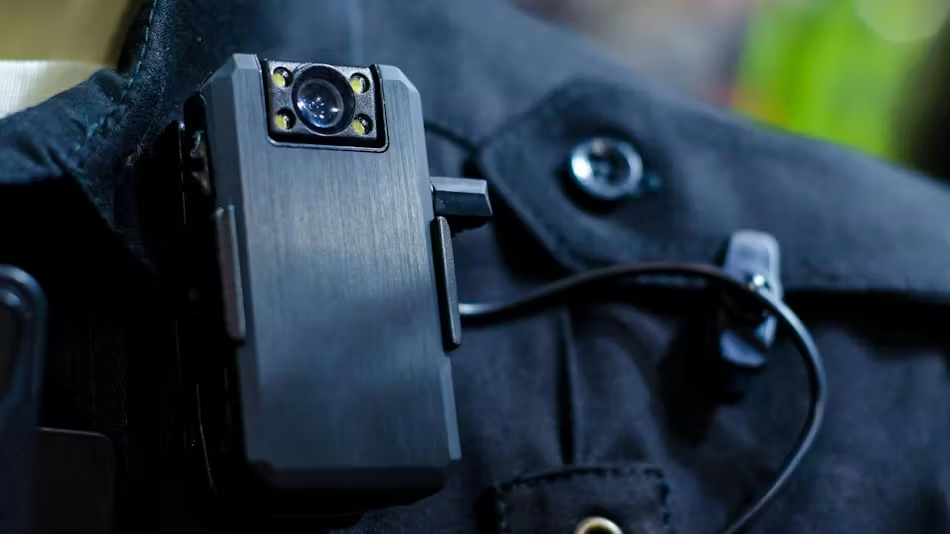
Shopping for body-worn cameras (BWCs) in 2026 means a crowded market where no two spec sheets use the same units or test conditions.
This guide narrows the field to ten current models using only each manufacturer's published materials. What decides the right camera:
The pick: no universal winner. The strongest camera clears your gates in a pilot, so this guide shortlists by scenario, not rank.
Ten cameras, listed alphabetically by manufacturer, not by performance. Every specification below is vendor-reported, and each fit phrase describes a likely starting scenario, not a verdict.
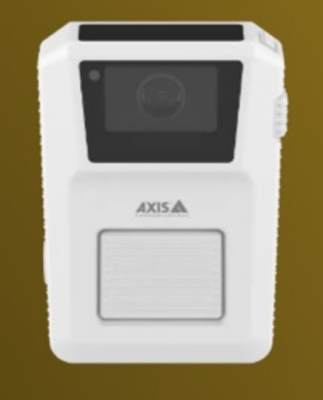 AXIS W120, a likely fit for agencies that prioritize published device-security documentation.
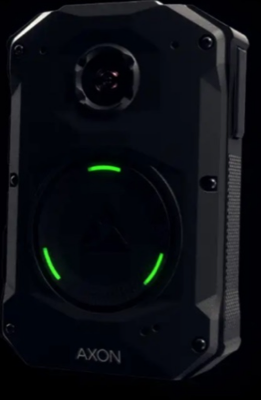 Axon Body 4, a likely fit for agencies standardized on or evaluating the Axon ecosystem.
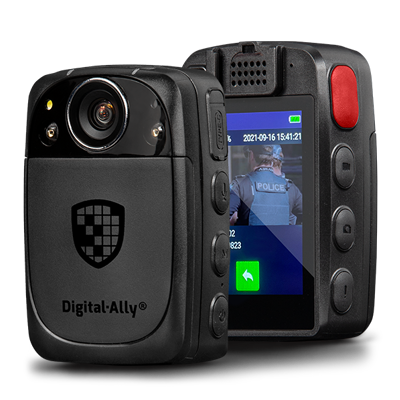 Digital Ally FirstVu Pro, a likely fit for agencies evaluating hot-swappable batteries and Digital Ally's evidence stack.
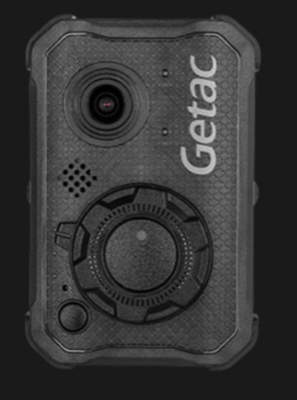 Getac BC-04, a likely fit for rugged, mobile deployments evaluating optional LTE.
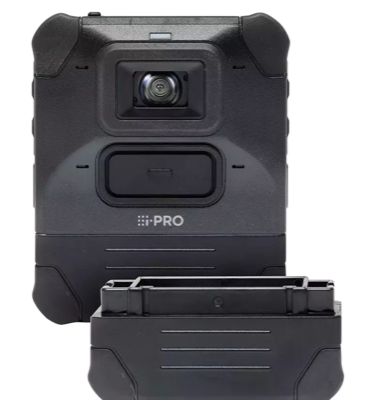 i-PRO BWC4000, a likely fit for field-swappable battery requirements and flexible evidence architectures.
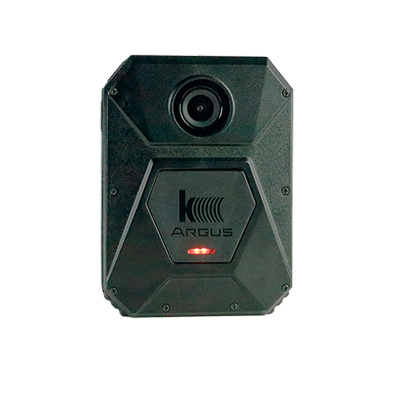 Kustom Signals Argus BWC 2, a likely fit for smart activation, hot-swappable batteries, and flexible evidence hosting.
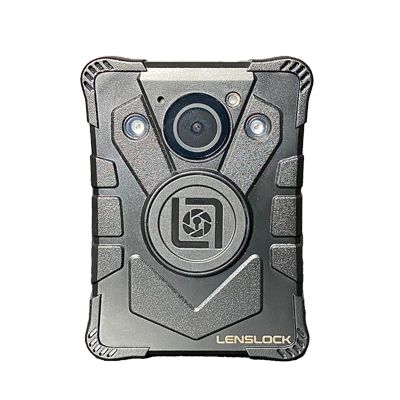 LensLock Genesis 12, a likely fit for agencies wanting one camera, evidence, mobile, and contract-warranty ecosystem.
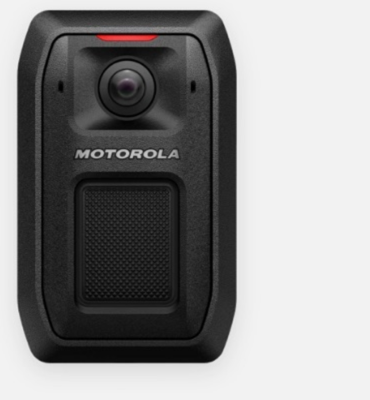 Motorola V700, a likely fit for Motorola-connected public-safety environments.
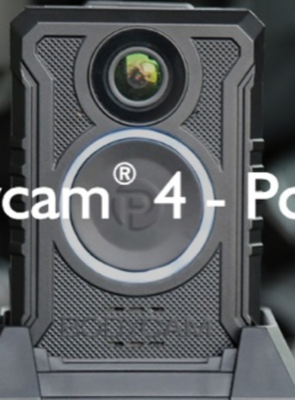 Pro-Vision Bodycam 4, a likely fit for replaceable batteries, optional 4G, and Pro-Vision in-car workflows.
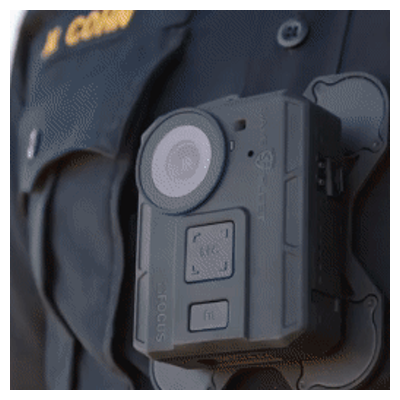 Safe Fleet FOCUS X2, a likely fit for Safe Fleet-connected automatic-trigger deployments.
Every specification is vendor-reported from current first-party pages, datasheets, and support docs; no hands-on lab test was run.
The Bureau of Justice Assistance (BJA) body-worn camera acquisition guide calls a BWC purchase a long-term program decision, which is why this guide shortlists rather than ranks.
To qualify, a camera needed:
The prior version named fifteen vendors but gave procurement teams little model-level evidence. This refresh keeps ten products with active first-party model pages and enough public documentation for a consistent comparison. Where current and older vendor documents conflict, this guide uses the active product page and flags the exact figure for written confirmation.
BJA's evaluation questions for agencies cover battery, video quality, field of view (FOV), pre-event capture, storage, and cost. The comparison normalizes those into the nine columns below.
This guide treats ecosystem openness as a separate procurement vector. Ask whether the agency can export original media and associated metadata in usable formats, connect an approved third-party DEMS or report-drafting layer, and retrieve its data when the contract ends. A proprietary ecosystem is not inherently a drawback; it can simplify deployment and support. The risk appears when export rights, formats, fees, or integration terms make a later change difficult.
The camera is also only half the decision. The body-worn camera software that manages, retains, and moves the footage is the other half.
Four definitions prevent most comparison mistakes:
Two acronyms recur: a records management system (RMS) holds police reports, and a digital evidence management system (DEMS) holds footage.
Every cell is vendor-reported from the manufacturer's current product page or datasheet. Missing data is stated as missing, not inferred. Pricing is custom-quote across all ten manufacturers, so it lives in the cost section rather than the matrix.
Alphabetical by manufacturer, not a performance ranking. Row order matches the at-a-glance list and the ten evidence cards below.
| Camera | Published capture and FOV | Published battery | On-device storage | Ruggedness | Activation and connectivity | Evidence ecosystem and export | Security evidence | Warranty and support | Likely agency fit |
|---|---|---|---|---|---|---|---|---|---|
CLIPrAI bodycam analysis layer |
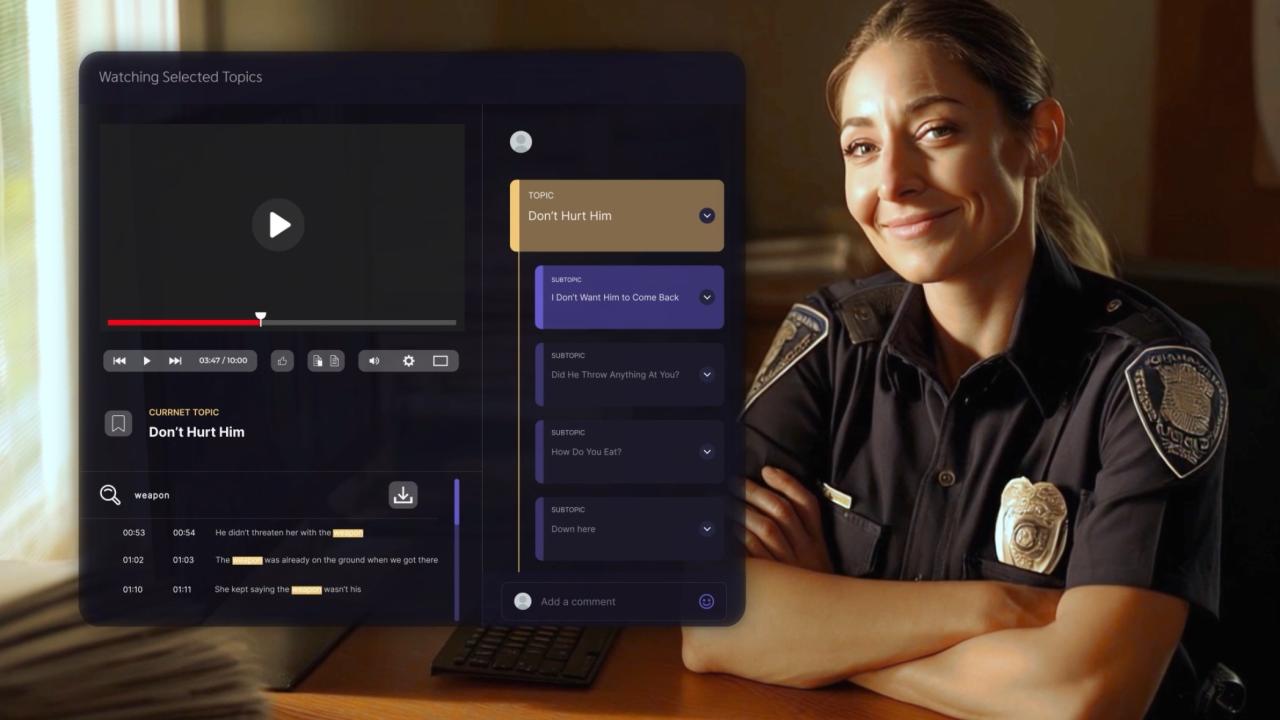
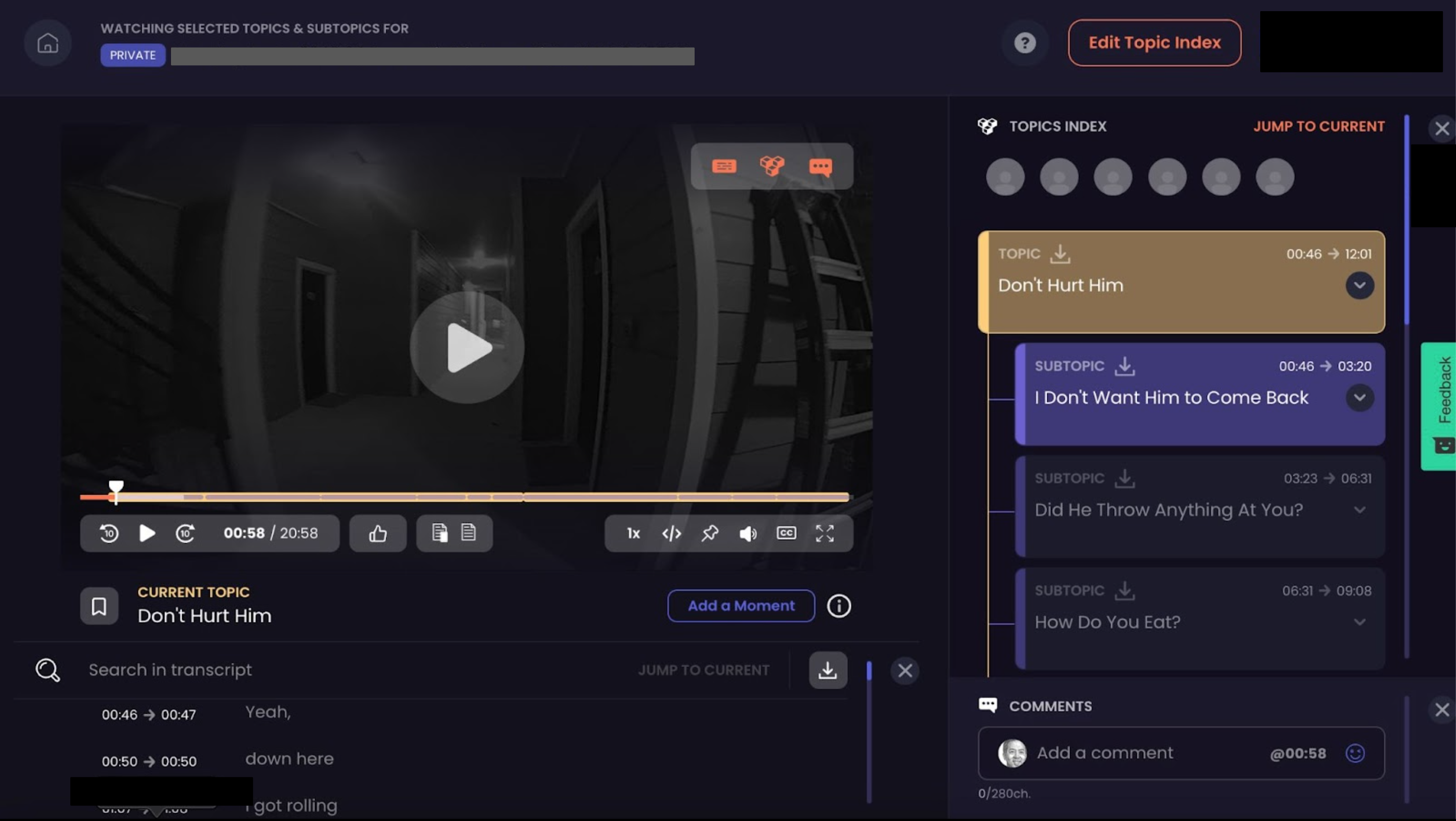
An AI body-camera analysis layer to test against your selected camera. Upload supported footage and CLIPr returns a searchable transcript, a timestamped Q and A index, and an AI-assisted first-draft report the officer reviews, edits, and owns. Verify the exact file format and workflow in the pilot.
Request a 30-Day Agency Pilot
|
||||||||
| 1. AXIS W120 |
1080p/720p; 137-degree H x 76-degree V FOV | Up to 15 h at 720p or 13.5 h at 1080p, stated conditions | 64 GB; up to 30 h depending on settings | IP67; 2 m drop; MIL-STD-810H | Wi-Fi, Bluetooth, LTE, GNSS; prebuffer to 120 s; 200 g | Axis body-worn system and controllers; validate export | Secure boot, signed OS, Edge Vault, encryption | 3 years incl. battery, subject to cycle terms | Device-security documentation priority |
| 2. Axon Body 4 |
5 MP sensor; 4:3; 160-degree FOV, admin-set to 120 | Full-shift (vendor); 4,300 mAh; no hour figure published | 128 GB solid-state | IP68 body; optional Flex POV module IP67 | Signal activation; Respond+ needed for live features | Axon Evidence or Evidence Local; Axon View app | XTS-AES-256 vendor statement | Warranty term not public; active May/June 2026 release notes | Axon ecosystem agencies |
| 3. Digital Ally FirstVu Pro |
1080p HD; active page lists 110-degree FOV with distortion correction, orientation not stated | 10+ h; hot-swappable battery; about 3 h recharge | 128 GB on active page; verify exact SKU | IP67; 6 ft drop; MIL-STD-810G; -22 F to 131 F | GPS; configurable pre/post-event; USB-C; wireless options depend on SKU | EVO Web and QuickVu docks; validate export and data return | AES-256 vendor statement | Warranty term not public; confirm current US terms | Hot-swap battery and Digital Ally evidence workflows |
| 4. Getac BC-04 |
Up to 3600 x 2024 plus 2K/1080p/720p at 30 fps; 140 deg H / 158 deg D | More than 12 h (vendor); 4,200 mAh | 128 GB | IP67; 6 ft drop; MIL-STD-810H; -20 C to 50 C | Wi-Fi, Bluetooth 5, GPS; optional dual-SIM LTE; 2 min pre-record | Getac Video Suite and Evidence Management | Device-security evidence not public in reviewed materials | 3-year and 5-year options; verify battery and region | Rugged, optional-LTE deployments |
| 5. i-PRO BWC4000 |
1080p/720p/360p 16:9 plus 1200p/960p/480p 4:3; 137 deg H / 79 deg V / 157 deg D | 12 h; field-swappable battery | 128 GB | IP67; 6 ft drop; MIL-STD-810H | Wi-Fi, Bluetooth, GPS; sensor options; 3 min pre-record | Unified Digital Evidence (on-prem, cloud, hybrid); Arbitrator | AES-256 and FIPS 140-2 statements; verify module and scope | Main unit 3 years; battery 1 year | Field-swappable battery and flexible architectures |
| 6. Kustom Signals Argus BWC 2 |
1080p/30 or 720p/30; public FOV not established | Up to 12 h; battery can be swapped while recording | 64 GB or 128 GB | IP67; MIL-STD-810G; 235 g | Optional 4G LTE, Wi-Fi, Bluetooth, NFC, GNSS; event activation | Argus Data Vault, Argus ICV, and Argus Insight; validate export | Deployment-level evidence not public in reviewed materials | US No-Fault Warranty; public duration not established | Smart activation and flexible evidence hosting |
| 7. LensLock Genesis 12 |
HD MP4, H.264/H.265; 140-degree wide-angle FOV | 12+ h; built-in 4,400 mAh; about 4 h charge | 64 GB | IP66; public drop and MIL-STD evidence not established | 30 s pre-record; GPS overlay; optional Wi-Fi/Bluetooth; mobile app | LensLock DEMS on Azure Government; validate export and exit terms | CJIS support claimed for platform; verify scope and responsibility matrix | Hardware warranty for contract term; verify exclusions | Integrated camera, evidence, mobile, and support stack |
| 8. Motorola V700 |
1080p/720p/480p H.264; 130 deg H / 73 deg V / 149 deg D FOV | 12 h at 720p/30, radios and HDR disabled; field-swappable | 128 GB; 28/55/110 h by resolution | IP67; MIL-STD-810G; 195 g | LTE, Wi-Fi, Bluetooth, GPS; group recording; Record-After-The-Fact | VideoManager EL or CommandCentral; validate the stack | Validate per configuration | 3-year or 5-year Essential service; optional upgrades | Motorola-connected public-safety environments |
| 9. Pro-Vision Bodycam 4 |
Up to 1296p at 30 fps MP4; 140 deg FOV, orientation not specified | Up to 14 h optimal conditions; replaceable battery | 64 GB | IP68; drop and MIL-STD evidence not public | Proximity activation within 30 ft; optional RFID; optional 4G | CloudConnect or SecuraMax; Connect is legacy | AES-256 and H.265 statements | Warranty term not public in reviewed materials | Replaceable battery, optional 4G, Pro-Vision in-car |
| 10. Safe Fleet FOCUS X2 |
1440p/1080p/720p/480p; 125-degree H on linked older sheet | Up to 15 h; verify configured runtime | 64 GB | IP67; MIL-STD-810G; 185 g | Up to 120 s pre-event; Wi-Fi upload, mobile app, automatic triggers | Safe Fleet in-car and NEXUS DEMS; dock or Wi-Fi upload | AES-256 and X.509 vendor statements | Warranty term not public in reviewed materials | Safe Fleet-connected automatic-trigger deployments |
Alphabetical by manufacturer, not a performance ranking. Every cell is vendor-reported.
Row sources are each manufacturer's own first-party datasheets, product pages, and support documentation, credited by name rather than linked.
Numbers match the at-a-glance list. Full specifications live in the comparison matrix above; each card covers fit, evidence ecosystem, and what to verify.
Alphabetical by manufacturer, not ranked. Card numbers support navigation only; no card order implies a performance verdict.
Agencies that prioritize published device-security documentation.
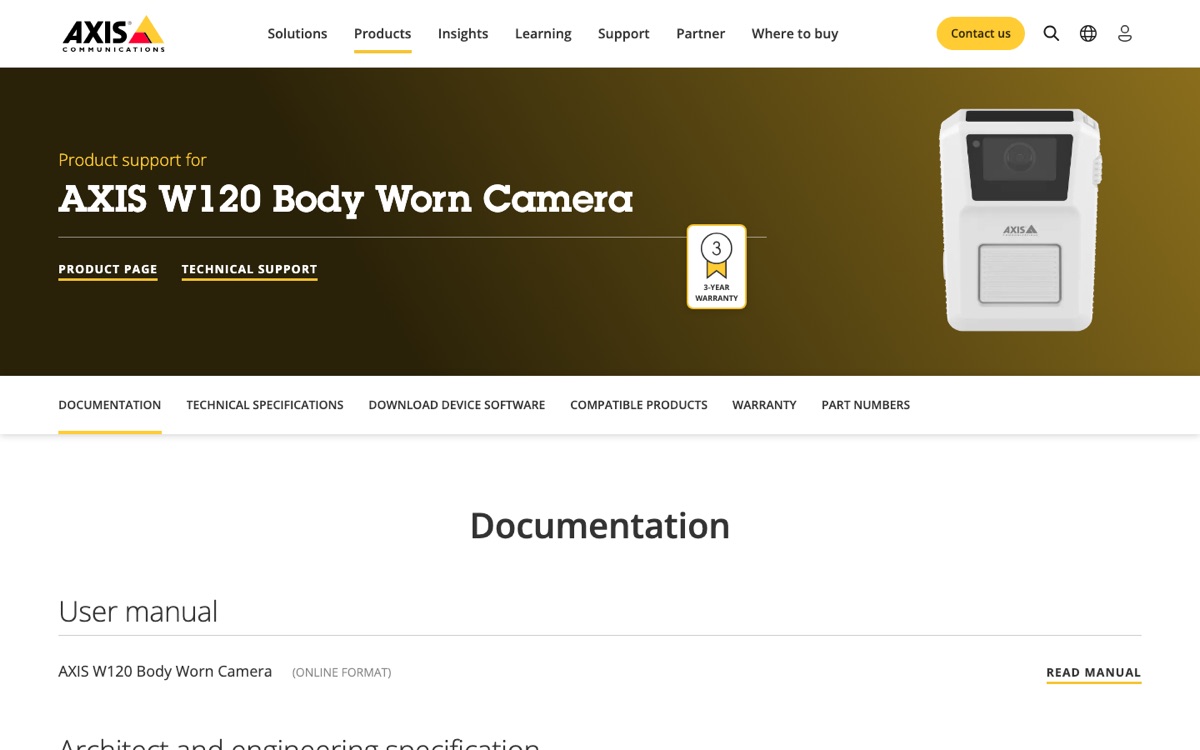
What it is: Axis Communications' body-worn camera, part of a system that uses controllers to move footage into the agency's chosen evidence destination.
Where it may fit: The W120's 2026 datasheet is unusually specific about device protections and battery test conditions, which matters to agencies that grade vendors on published security evidence.
Evidence ecosystem and connected options: Footage moves through the Axis body-worn system and controllers; export paths into your DEMS or RMS need validation for your architecture. Axis published system updates through June 2026.
Procurement considerations: The 64 GB capacity and setting-dependent durations deserve a shift-length test. Treat the listed secure boot, signed OS, Edge Vault, and encryption as narrow device evidence, and run your own deployment-level security review.
The three-year warranty's battery-cycle qualification and region terms, the system-controller architecture, and export behavior against your evidence platform.
Agencies standardized on or evaluating the Axon ecosystem.
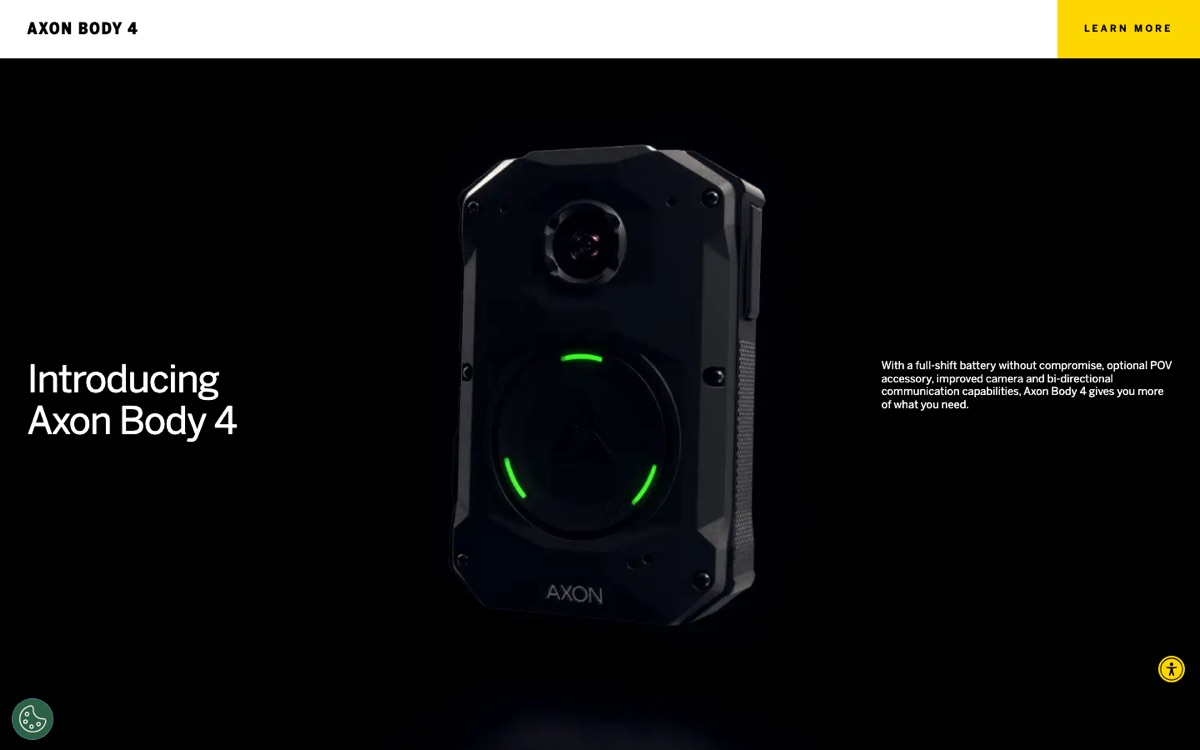
What it is: Axon's current flagship body camera, built to live inside the Axon Evidence ecosystem many US agencies already run.
Where it may fit: If your evidence platform, docks, and training are already Axon, the Body 4 is the pilot candidate with the least new-vendor overhead, though its dependencies still need testing. As the matrix notes, the camera's IP68 rating does not transfer to the optional Flex POV module (IP67).
Evidence ecosystem and connected options: Body 4 works with Axon Evidence or Evidence Local, with Axon View for preview and configuration. Live maps, alerts, live video, and two-way communications depend on Respond+, with a documented up-to-25-viewer limit.
Procurement considerations: Connected features carry service and module dependencies that belong in the quote. May and June 2026 release notes show an actively supported device, though a public warranty term was not established in reviewed materials.
Deployed firmware, contracted Evidence modules and export terms, Respond+ entitlements and network requirements, and the written warranty.
Agencies evaluating hot-swappable batteries and Digital Ally's EVO and QuickVu workflows.
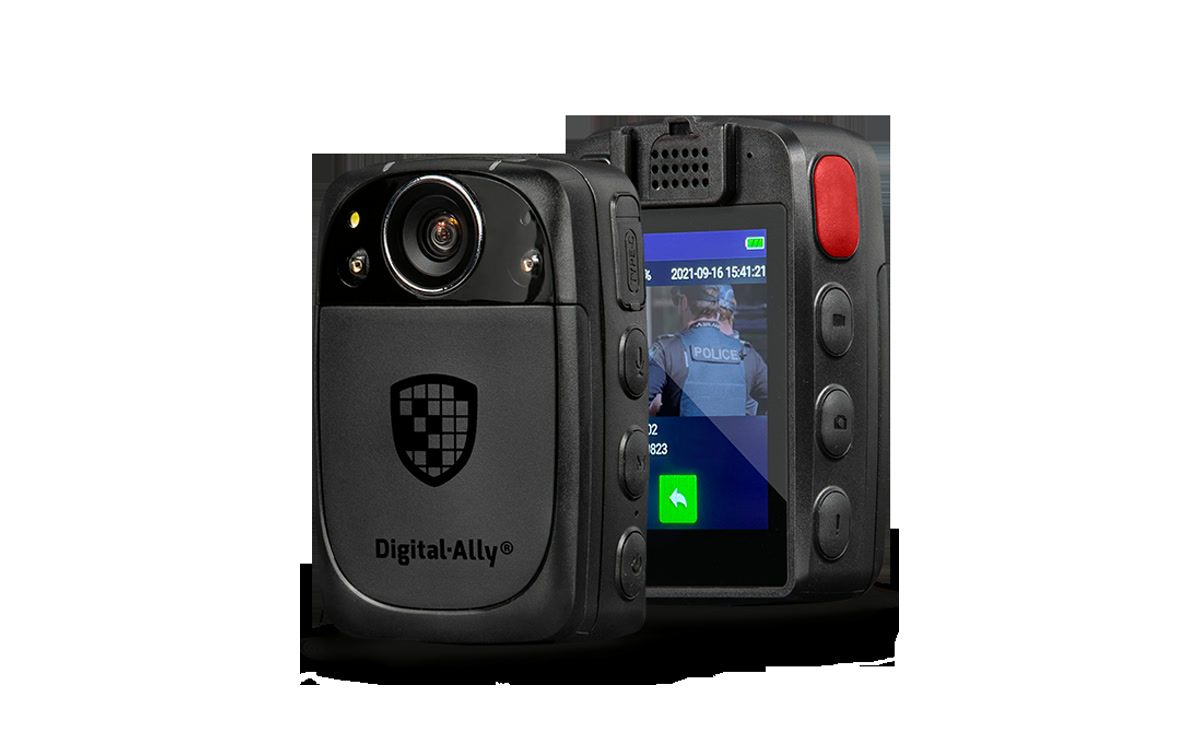
What it is: Digital Ally's current one-piece law-enforcement body camera, with in-field review, a hot-swappable battery, and an EVO Web evidence path.
Where it may fit: Departments that want to replace a battery during a long shift and evaluate camera, docks, and evidence management from one vendor.
Evidence ecosystem and connected options: Digital Ally's active page names EVO Web on AWS GovCloud, QuickVu docks, configurable pre- and post-event recording, GPS, USB-C, and wireless options. Its lifecycle page separates FirstVu Pro from discontinued older FirstVu models.
Procurement considerations: The active page lists 128 GB and a 110-degree FOV with distortion correction. Its linked older Rev C sheet lists different storage and FOV figures, so the current US SKU and controlling specification belong in the written quote.
The exact SKU, 128 GB storage figure, FOV orientation, pre- and post-event limits, EVO Web export package, data-return terms, wireless options, and written warranty.
Rugged, mobile deployments evaluating optional LTE.
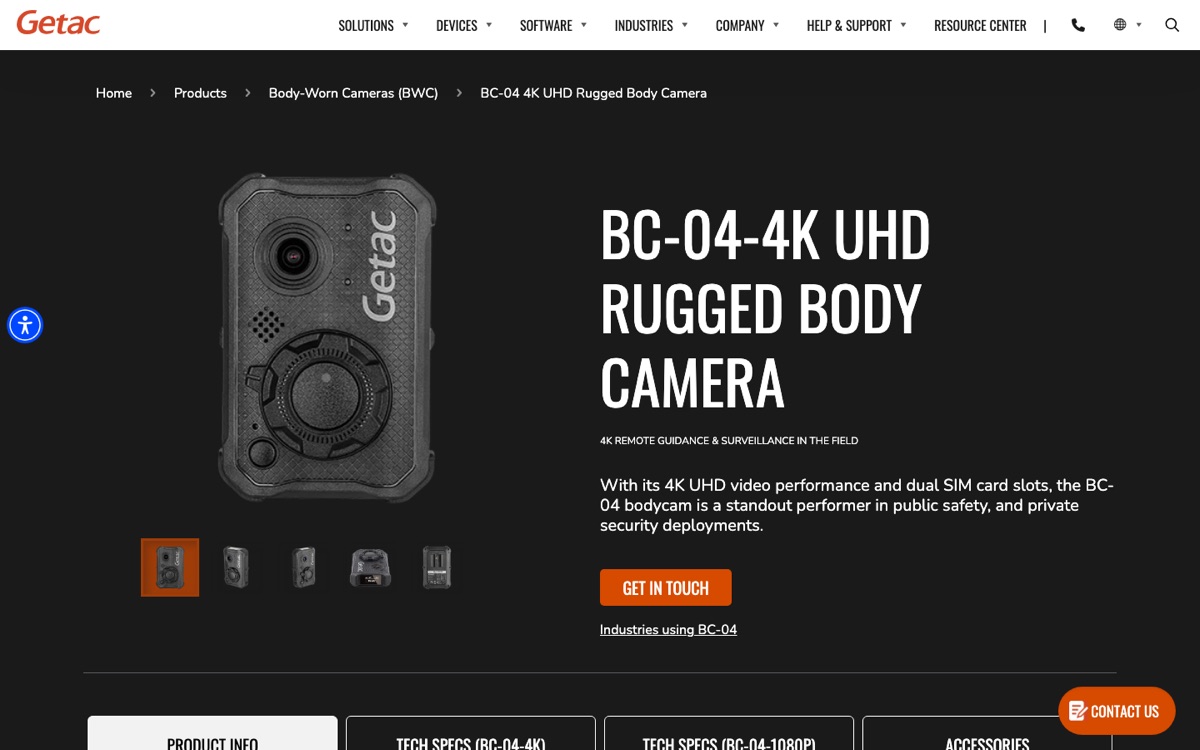
What it is: Getac's current body-worn camera, from a manufacturer known for rugged computing and in-car video, inside the Getac Video Suite and Evidence Management ecosystem.
Where it may fit: Departments running mixed vehicle and body-camera fleets in hard conditions, or wanting optional LTE without committing to a live-streaming service on day one.
Evidence ecosystem and connected options: Current Getac materials name Getac Video Suite and Evidence Management as the ecosystem, described in a March 2026 product post. Do not assume the older Veretos name still applies; confirm current naming and modules with Getac.
Procurement considerations: LTE is optional, so carrier, region, and service terms belong in the quote; detailed device-security evidence was not public in reviewed materials.
Three-year versus five-year warranty scope including battery coverage, optional-service dependencies, and the security documentation Getac supplies.
Field-swappable battery requirements and flexible evidence architectures.
What it is: i-PRO's current body-worn camera, paired with the Unified Digital Evidence platform and the Arbitrator in-car ecosystem.
Where it may fit: Two buyer profiles stand out: agencies that need a battery an officer can swap mid-shift, and agencies that want on-premises, cloud, or hybrid evidence architecture options rather than a single hosting model.
Evidence ecosystem and connected options: Unified Digital Evidence supports on-premises, cloud, and hybrid workflows with encryption and audit capabilities, per i-PRO. Docks, Klick Fast mounts, sensor options, and Arbitrator connections round out the ecosystem.
Procurement considerations: The FIPS statement needs its exact module and scope verified; a component statement is not a deployment result. Note the split warranty in the matrix.
The FIPS 140-2 module and scope in writing, the selected evidence architecture and licensed modules, RMS integration behavior, and service terms.
Agencies prioritizing smart activation, hot-swappable batteries, and on-premises or cloud evidence options.
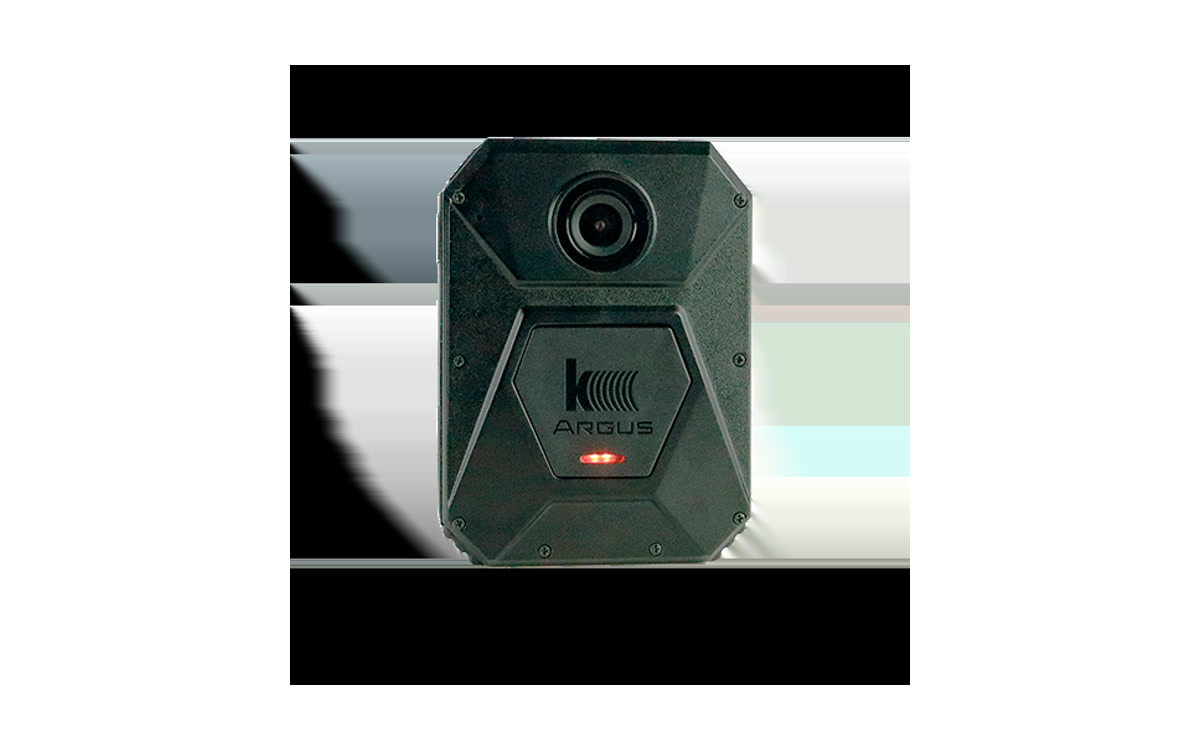
What it is: Kustom Signals' current law-enforcement body camera. Kustom announced Argus BWC 2 in February 2026 as the next generation of the Argus family.
Where it may fit: Agencies that want event-based activation, a battery that can be swapped without stopping a recording, and a choice between on-premises and cloud evidence storage.
Evidence ecosystem and connected options: Kustom names Argus Data Vault, Argus In-Car Video, and the Argus Insight mobile app. Optional cellular connectivity supports live functions; the page also lists Wi-Fi, Bluetooth, NFC, and multiple GNSS services.
Procurement considerations: The active page publishes 1080p/30 and 720p/30, 64 GB or 128 GB, and up to 12 hours per battery, but not FOV or a pre-event duration. Its US No-Fault Warranty is named without a public duration.
FOV, pre-event duration, automatic-trigger rules, storage capacity, cellular and service dependencies, export package, data-return terms, and warranty duration.
Agencies wanting camera, mobile, evidence, and contract-warranty coverage from one vendor.
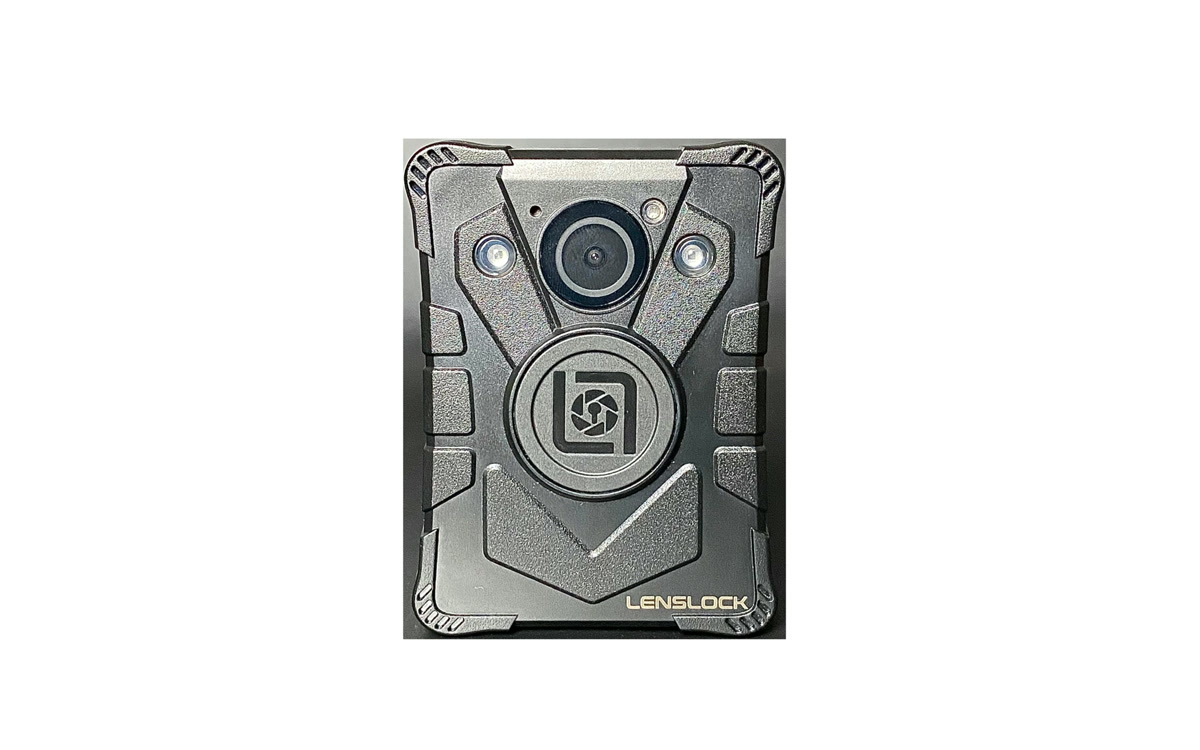
What it is: LensLock's law-enforcement body camera for patrol, corrections, and campus police, paired with LensLock's mobile and evidence-management stack.
Where it may fit: Agencies that prefer one vendor for camera hardware, mobile offload, evidence management, and a hardware warranty stated to run for the contract term.
Evidence ecosystem and connected options: LensLock publishes a 30-second pre-record buffer, GPS overlay, optional Wi-Fi and Bluetooth, mobile apps, and its evidence platform hosted on Microsoft Azure Government.
Procurement considerations: LensLock states that its evidence platform supports FBI CJIS compliance. Treat that as a vendor claim scoped to the named platform, not proof that an agency's complete deployment, policies, users, integrations, and connected systems are compliant.
Exact HD resolution, wireless offload behavior, export format and metadata, data-return terms, current CJIS documentation and responsibility matrix, plus contract-warranty exclusions.
Motorola-connected public-safety environments.
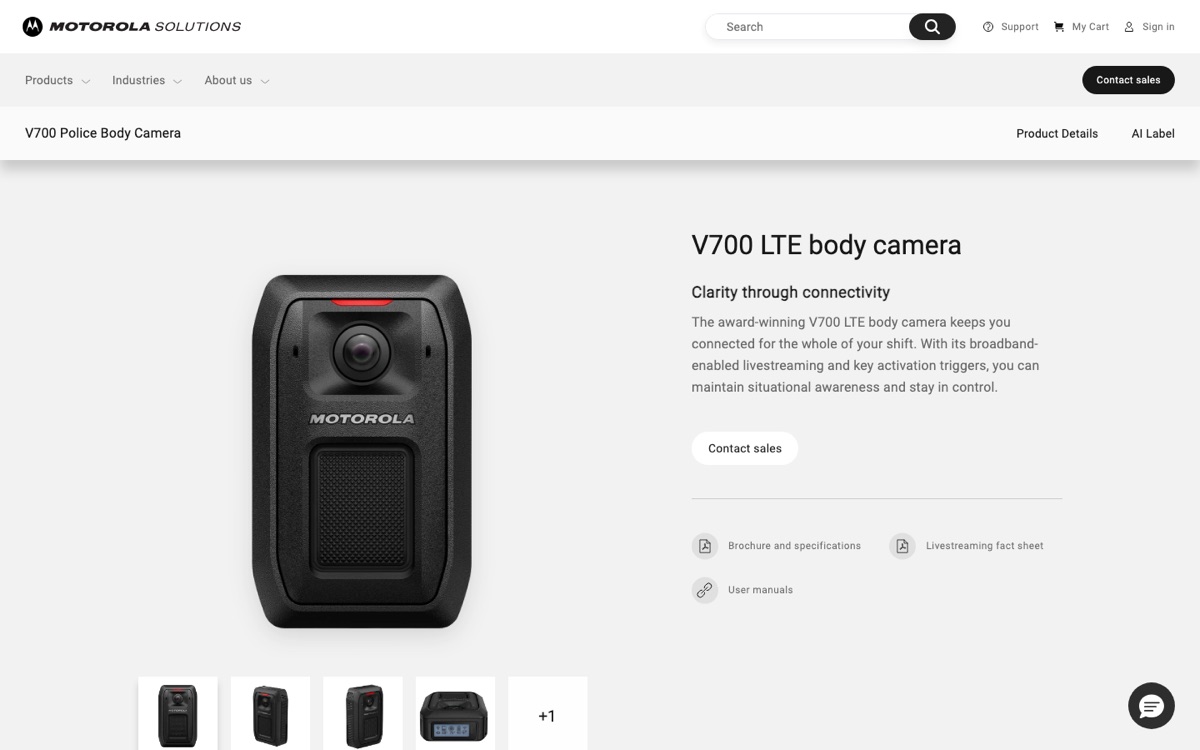
What it is: Motorola Solutions' LTE-connected body camera, designed to sit inside Motorola's command-center, radio, and video ecosystem.
Where it may fit: Agencies already running Motorola radios, in-car video, or CommandCentral software, and teams evaluating field-swappable battery plus LTE workflows. Note the matrix MIL-STD-810G rating, which should not be modernized to 810H.
Evidence ecosystem and connected options: Motorola describes Record-After-The-Fact and group-recording workflows for the V700, with footage managed through VideoManager EL or CommandCentral evidence workflows depending on the licensed stack.
Procurement considerations: Service tiers carry optional accidental-damage and advanced-replacement upgrades, and what a deployment actually receives depends on licenses and configuration, so validate the chosen workflow, not the brochure.
The current controlling datasheet revision, battery conditions against your configured settings, licensed evidence workflows, and current service terms.
Replaceable batteries, optional 4G, and Pro-Vision in-car workflows.
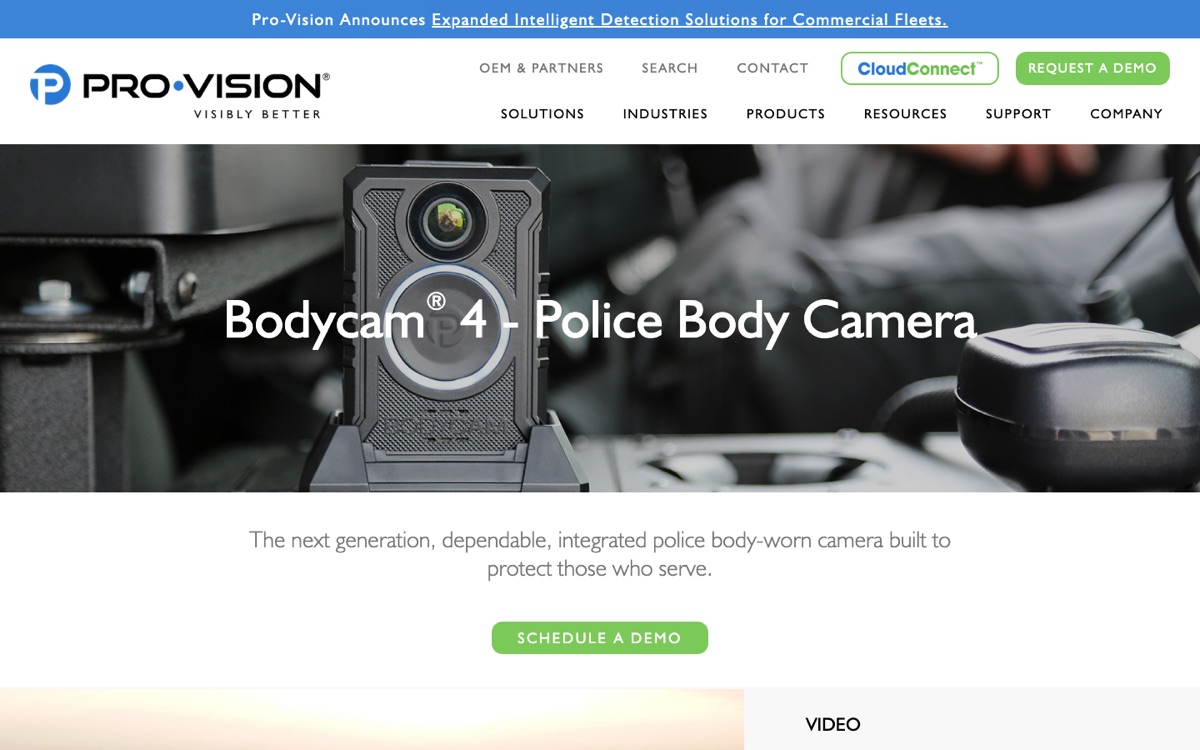
What it is: Pro-Vision's current body camera, from a vendor with an established in-car video footprint, feeding the CloudConnect or SecuraMax evidence platforms.
Where it may fit: Departments already running Pro-Vision in-car systems, and agencies that want a replaceable battery and optional 4G functions without an enterprise-scale platform commitment.
The matrix shows drop and MIL-STD evidence as not public, a fact about the documentation rather than proof the testing does not exist.
Evidence ecosystem and connected options: Pro-Vision's current support guidance names CloudConnect and SecuraMax as the active platforms and identifies Connect as legacy.
Procurement considerations: A current public warranty term was not established publicly in reviewed materials, so written terms come before any order. Confirm which platform you are buying into and what a legacy Connect migration involves.
The written warranty term, FOV orientation, drop and MIL-STD results, the selected platform's export method, and the optional 4G hardware and service dependencies.
Safe Fleet-connected deployments prioritizing automatic triggers and full-shift recording.
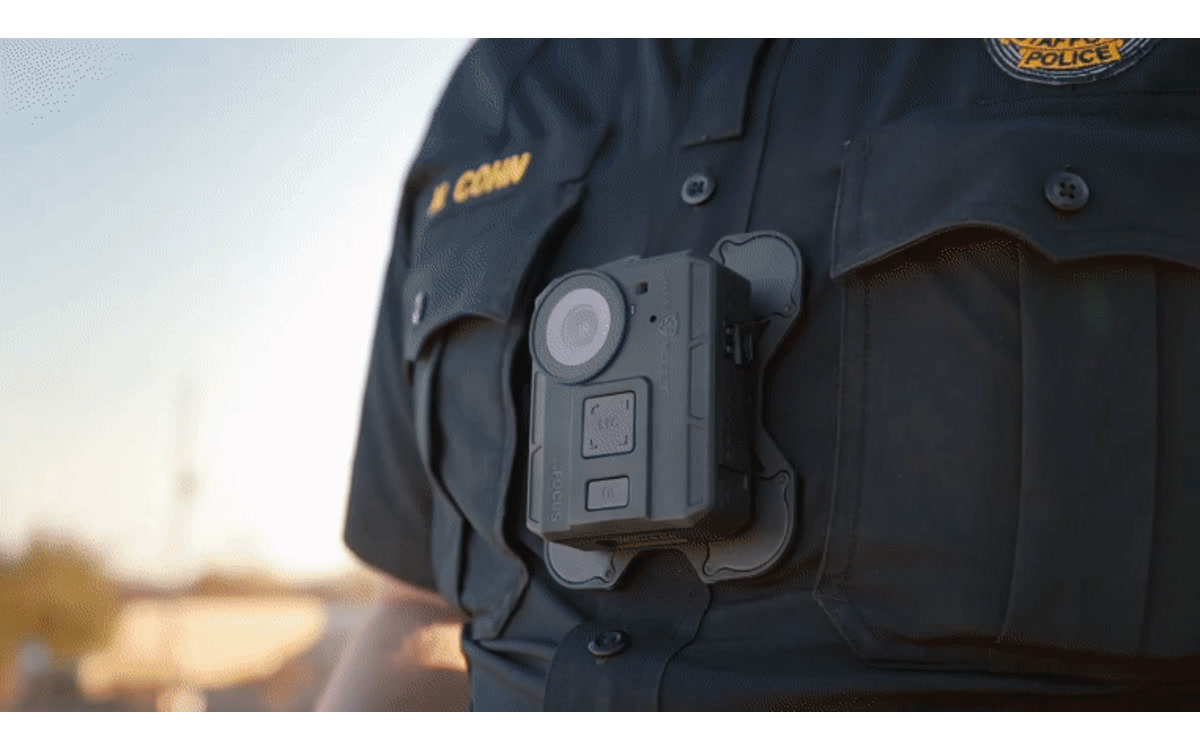
What it is: Safe Fleet's current law-enforcement body camera, designed to connect with its in-car video and NEXUS digital evidence products.
Where it may fit: Departments already using Safe Fleet video systems, or agencies comparing automatic triggers, mobile controls, Wi-Fi offload, and an up-to-15-hour vendor battery figure.
Evidence ecosystem and connected options: The current product page names USB and network docks, Wi-Fi upload, the FOCUS mobile app, Safe Fleet in-car video, and NEXUS digital evidence management. It lists configurable activation from lightbars, holsters, sirens, and vehicle doors.
Procurement considerations: Safe Fleet's active page was modified in May 2026 and links a detailed FOCUS X2 sheet. That older sheet publishes 1440p through 480p modes, 64 GB, 125-degree horizontal FOV, IP67, and MIL-STD-810G, so its controlling hardware revision should be revalidated in writing.
The controlling hardware revision, detailed capture and ruggedness figures, battery settings, trigger hardware, mobile and wireless dependencies, NEXUS export and migration terms, and written warranty.
Scenarios beat scores. Match your conditions to a two- or three-camera pilot list, then test each the same way.
CLIPr is designed as a camera-agnostic reporting layer, so agencies can evaluate it without making the reporting layer determine the camera shortlist. Exact file, metadata, evidence-platform, and workflow compatibility still requires validation per deployment in writing.
Whichever shortlist you land on, the evidence side deserves equal weight. The digital evidence management system guide walks through the storage, access, retention, and sharing questions that outlast any single camera.
Published specifications cannot tell you how a camera behaves on your uniforms, shifts, docks, network, and prosecutor handoff. A structured pilot can: pass-or-fail gates first, then one short worksheet.
This framework evaluates camera hardware and its evidence path. CLIPr, a downstream reporting layer, is not scored against these camera gates.
These come before any comparative preference. A configuration either meets your agency's thresholds or it does not:
Security requirements, including CJIS Security Policy obligations, belong in gates 1 and 4 as items applied evenly to every bidder: how data is stored, retained, deleted, and handled across each vendor's stack.
Configurations that clear your gates enter the worksheet. Your agency sets the weights; no weight here is designed to favor any vendor.
| Test | Agency weight | Camera A observed result | Camera B observed result | Evidence captured | Owner |
|---|---|---|---|---|---|
| Capture and audio in representative day and night scenarios | Agency sets | Original files and reviewer notes | Training/patrol | ||
| Battery under configured shift conditions | Agency sets | Start/end percentage, settings, temperature | Program lead | ||
| Mount retention and activation ergonomics | Agency sets | Scenario checklist | Training/patrol | ||
| Dock, upload, export, third-party handoff, and prosecutor workflow | Agency sets | Timed uploads, IT logs, accepted media and metadata export, and approved integration test | IT/evidence | ||
| Support, warranty, replacement, and lifecycle cost | Agency sets | Written quote and order terms | Procurement |
Two habits make the pilot defensible:
For rollout planning beyond the pilot, the body-worn camera implementation tips guide covers field-use habits that surface problems early.
None of the ten manufacturers publishes a simple US unit price, so any spreadsheet built on a per-camera number is wrong before it starts. A real body-camera budget spans far more than the camera:
The evidence-platform line items usually outlast the cameras. Public records show how wide configurations swing: in late 2025, the City of Batavia, Illinois reviewed body-camera proposals from three of these vendors, with materially different bundled scopes:
Those are incomparable multi-product configurations at specific dates and terms, not camera unit prices; dividing them by camera count produces a fiction.
One more pricing signal, status-framed: Motorola has published a US hardware-subscription reference offer for the V700 covering the camera and mount but excluding software, per its fact sheet dated August 2025 and rechecked July 25, 2026. Treat it as a conversation starter, not a program cost. The sheet describes a five-year US hardware subscription; current eligibility, taxes, fees, and deployment terms still require confirmation.
If budget is the blocker rather than the shortlist, the law enforcement equipment grants guide covers funding paths agencies use for camera and evidence programs.
CLIPr publishes this guide.
Once the camera and evidence platform are settled, the footage still has to become a report. CLIPr turns bodycam audio into searchable notes, timestamped transcripts, and an automatic Question and Answer index, so a reviewer opens the exact exchange instead of scrubbing a full clip.
From that same footage it drafts an AI-assisted first-draft police report that the officer reviews, edits, and owns before it reaches the RMS. CLIPr is a reporting layer, not an RMS, CAD, or DEMS, so it adds to the stack you pick rather than replacing it.
CLIPr is designed as a camera-agnostic reporting layer that can be evaluated without replacing the fleet. Exact compatibility for the camera SKU, firmware, evidence platform, codec, metadata, permissions, and export path must be confirmed per deployment in writing.
If this layer is on your roadmap, two adjacent guides map the category: bodycam transcription software for the transcription and search side, and body camera AI reporting integration for the questions to ask before connecting any reporting tool to your stack.
Ten current models have enough public first-party evidence for a structured comparison: the AXIS W120, Axon Body 4, Digital Ally FirstVu Pro, Getac BC-04, i-PRO BWC4000, Kustom Signals Argus BWC 2, LensLock Genesis 12, Motorola V700, Pro-Vision Bodycam 4, and Safe Fleet FOCUS X2, listed alphabetically. None is a universal winner, so this guide shortlists by scenario rather than ranking.
Never compare headline hours directly, because each vendor tests under different conditions: one rates hours at 720p under specific prebuffer and battery-cycle conditions, another with radios and HDR disabled, as the matrix notes.
A vendor maximum is a test result, not a shift promise. Run a full-shift pilot on your configured settings and record the conditions with the result.
No. A 140-degree horizontal figure and a 158-degree diagonal figure are not comparable, so check the H, V, or D label. Wider capture also changes framing and edge distortion, which is why Axon lets administrators set the Body 4 to 120 degrees instead of 160.
The useful question is whether the captured frame supports your evidentiary and review needs. A pilot answers that faster than a spec sheet.
All ten manufacturers in this guide use quote-based pricing for current US law-enforcement configurations, so there is no single comparable per-camera sticker price. Budget for hardware, mounts, docks, spares, connectivity, evidence licensing and storage, redaction, support, replacement cycles, training, and implementation.
Batavia's 2025 proposals show bundled totals from roughly $330,000 to $765,000 for materially different scopes. None converts into a unit price.
No connection should be assumed. Each camera feeds its manufacturer's evidence ecosystem first, and every export, RMS, or third-party path depends on the exact camera SKU, firmware, evidence platform, file format, metadata, API rights, and security review.
CLIPr is designed as a camera-agnostic reporting layer that can be evaluated without replacing the fleet, but the exact file and workflow still require validation per deployment in writing.
Ten cameras, zero universal answers. The productive next step is narrow: pick the two or three models whose scenarios match your agency, then run the same field, battery, upload, export, and prosecutor-handoff tests under your configuration, not the vendor's.
Score the results against your own gates, get every warranty, service, data, and export commitment into the order form in writing, and price the full configuration over its life, because the evidence platform and services outlast the hardware.
A documented pilot is the part of this process that stays reliable.
The CLIPr Team writes about AI-assisted documentation for law enforcement.
CLIPr turns BodyCam and DashCam audio into AI-assisted first drafts of police reports that officers review, edit, and own before copying them into the RMS, backed by a SOC 2 compliant architecture and a CJIS Security Policy-aligned design.
Whichever camera survives your pilot, the footage still has to become a police report. Test CLIPr with agency footage, officer-reviewed and officer-owned final reports, and the agency's own RMS copy step. A 30-day agency pilot for up to 50 officers, subject to approval, is available.