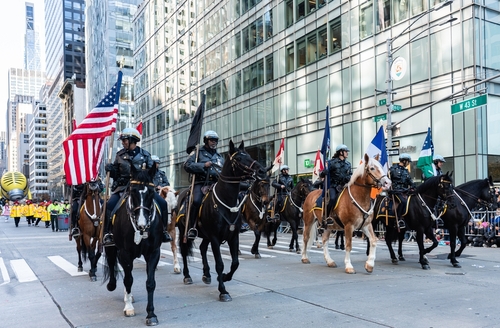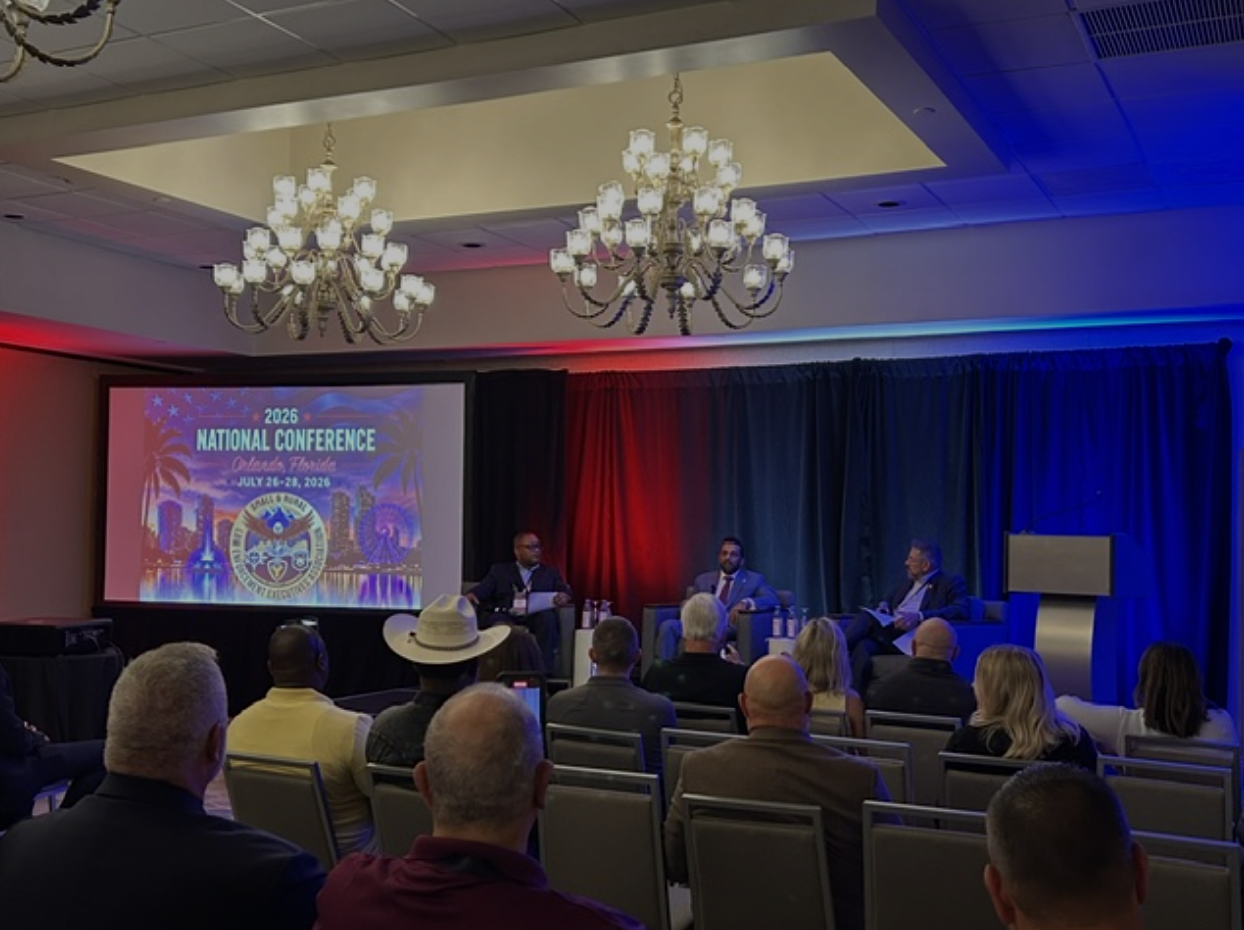
CLIPr Proudly Sponsors SRLEEA Conference in Orlando
At SRLEEA, FBI Director Patel called AI essential for agencies of every size. See how CLIPr is helping small and rural departments do more with less.


A working map of the major tools, a plain read on the evidence, a five-point SIREN rubric for prioritizing adoption, a starter playbook built around report automation, and a 2026 snapshot of policy and funding.
If you lead a small or mid-sized law enforcement agency, technology decisions land on your desk without a staff analyst attached. 88% of local police departments in the U.S. have fewer than 50 sworn officers (table 3 of the Bureau of Justice Statistics' Local Police Departments, 2016: Personnel).
The problem is not a shortage of options. The research is mixed, policy keeps shifting, and vendor claims can be hard to compare. That creates 2 risks: agencies buy before a tool fits, or delay tools that could reduce paperwork in a controlled pilot.
This guide gives you a map of the major tools, a plain read on the evidence, the SIREN scoring rubric, a report-automation starter playbook, and a 2026 policy and funding snapshot.
Police technology covers the range of scientific and technical methods used in prevention, investigation, and detection work, a scope that has expanded from radios and fingerprints to networked digital systems (Britannica).
In 2026, the conversation centers on a handful of categories:
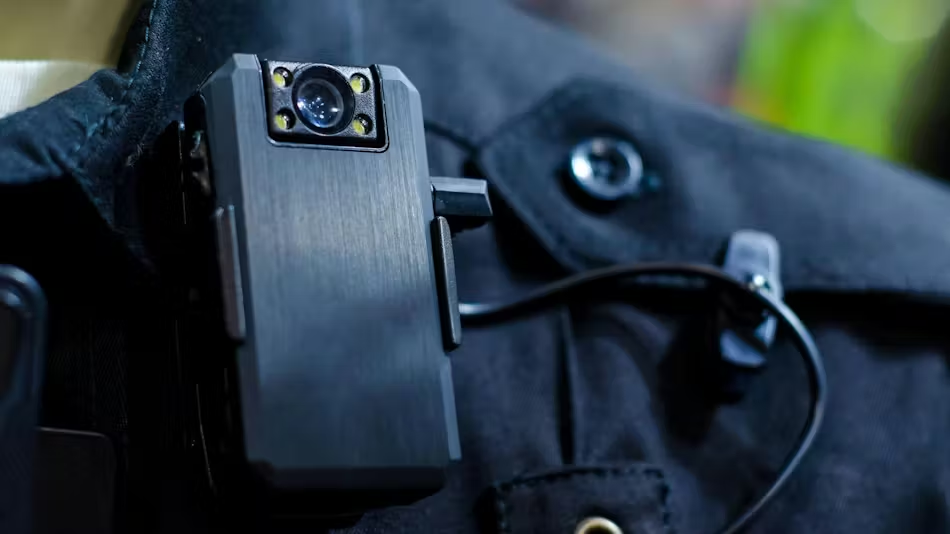
Recording infrastructure that now generates enormous volumes of video and audio evidence.
Fixed or mobile cameras that capture plate data for investigative queries.
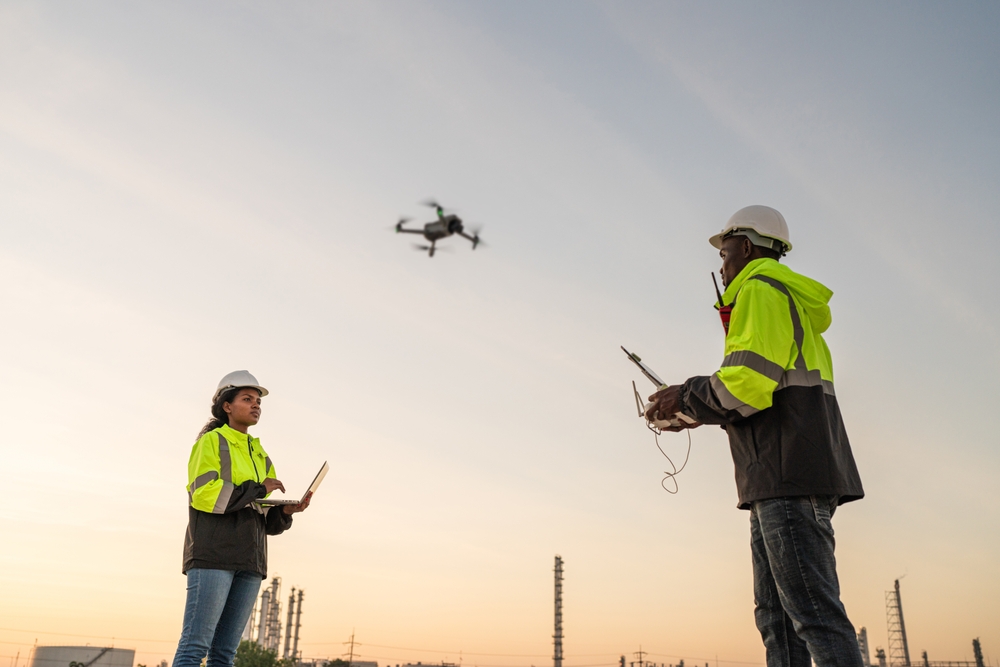
Aerial units launched to calls before ground officers arrive.
Acoustic sensor networks that alert dispatch to suspected gunfire.
Software that matches probe images against photo databases to generate investigative leads.
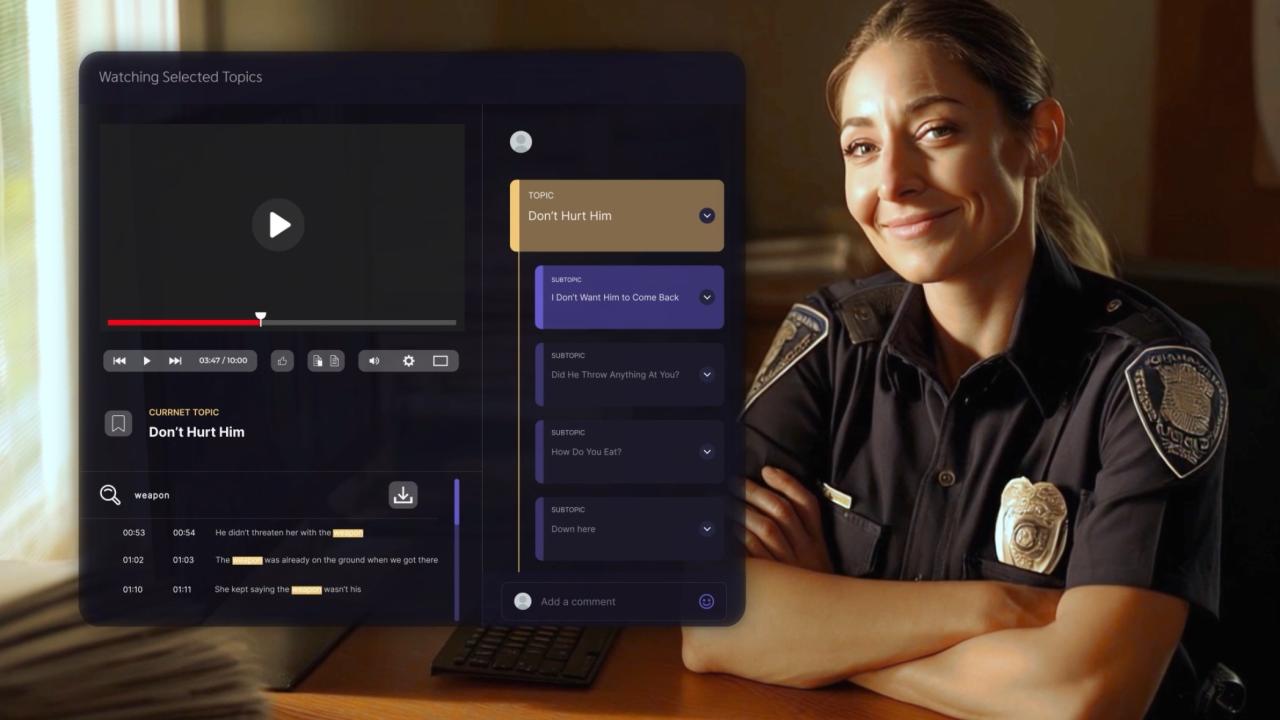
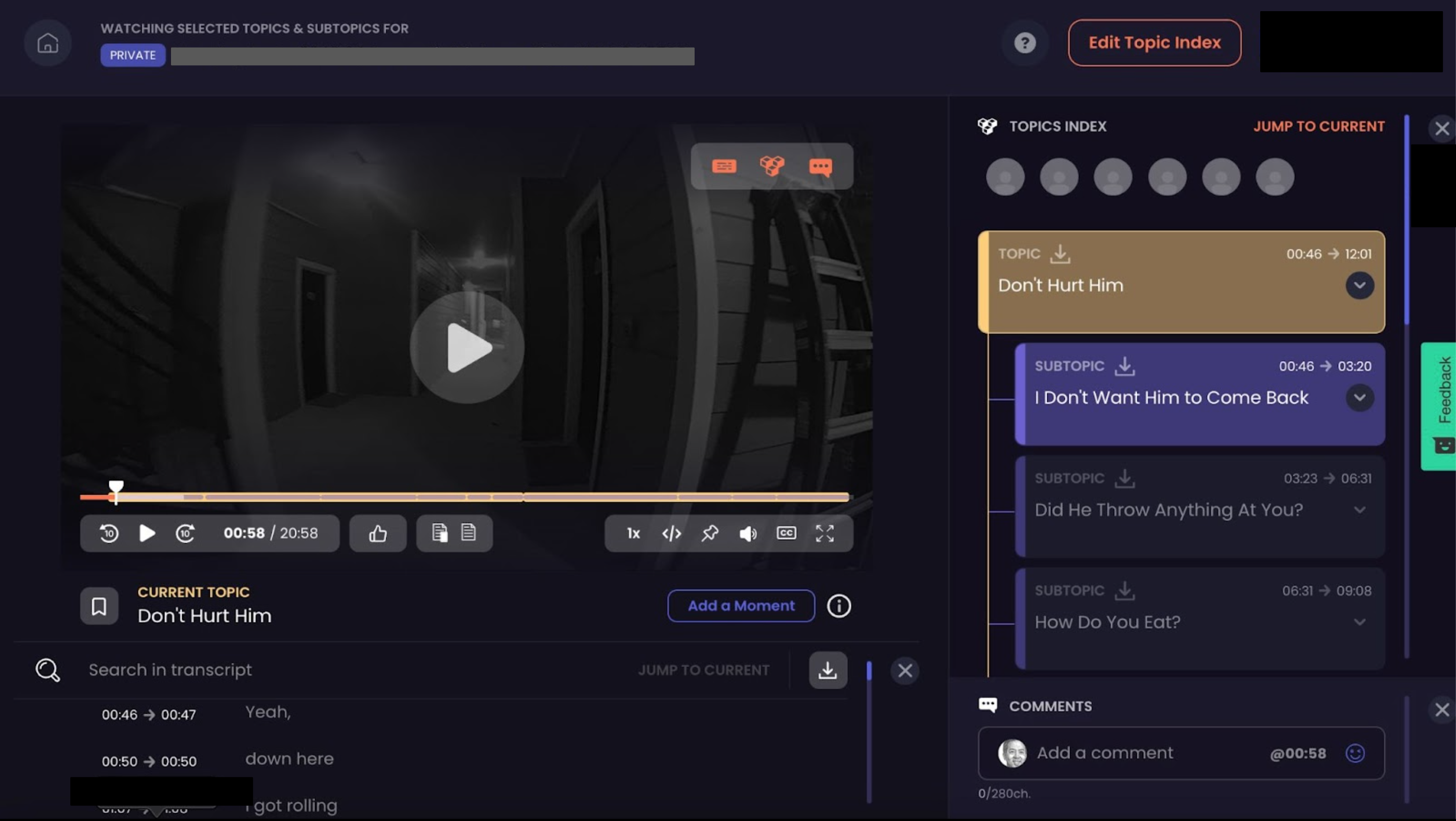
Systems that turn BWC audio into draft reports, transcribe interviews, and search large evidence sets.
RMS, CAD, and digital evidence management, the systems everything else has to integrate with.
One practical issue gets less attention. The public debate concentrates on surveillance tools, but the biggest day-to-day drag on a short-staffed agency is usually documentation: report writing, video review, transcription, and redaction.
It is also where time savings can be more direct, and civil liberties risk can be more bounded than surveillance-heavy tools when review and retention rules are clear, which is why this guide builds on it.
Not every tool earns the same confidence.
AI report automation is one of the fastest-moving areas of policing and technology right now.
Reporting from Axios describes departments piloting generative AI tools that turn body camera audio into draft report narratives, with the explicit goal of returning officers to patrol faster.
The same dynamic is reaching investigations. Axios coverage of AI in evidence review notes that the biggest constraint in cold cases is often too much evidence to review, with AI surfacing material for human investigators to verify.
Downstream, transcripts and indexed interviews feed case files; the guide to detective case management software covers that handoff.
Why this category can score well: the workflow change can be small, a human reviews every output before it becomes official, and the time recovered is time agencies are losing today.
For transcript-first workflows, see the breakdown of bodycam transcription software; records and legal teams with parallel needs can start with legal transcription software.
BWCs are standard equipment, and their evidentiary and documentation value is well established. The outcome research is more complicated.
The major BWC platforms include Axon, Motorola, Getac, Digital Ally, Reveal Media, Hytera, HALOS, and 10-8.
CLIPr is designed to work with audio from many common body-worn and dashcam systems; confirm support for your specific cameras during the pilot.
A large Chicago study and the broader literature show mixed effects on arrests, complaints, and crime, and a 2025 large-scale analysis in Public Administration Review reinforces that effects vary widely by agency and implementation.
The practical read: treat BWCs as evidence and documentation infrastructure, not as a behavior-change machine. The camera's footage, and what your agency can do with it, is where much of the ongoing return may live.
Independent evaluation of GDT systems such as ShotSpotter found that the technology speeds police response to gunfire but has not demonstrated reductions in gun crime.
An OJP-published summary of research in Chicago and Kansas City reports no reduction in gunshot victimization in the evaluated cities.
Faster response has operational value on its own. But coverage areas are expensive, so agencies should verify whether faster response alone justifies the cost before treating GDT as a crime-reduction investment.
ALPR adoption has scaled rapidly; the EFF's ALPR overview notes that one vendor, Flock Safety, is used by more than 5,000 agencies and communities.
The same overview, along with EFF's reporting on ALPR security vulnerabilities, documents privacy, retention, and breach risks that have made ALPR a recurring civil liberties flashpoint.
ALPR routinely produces investigative leads. The question for a small agency is whether it has the policy maturity to manage the retention limits, sharing agreements, audit logs, and public records exposure that come with it.
DFR programs send a drone to a call ahead of officers, which can de-escalate responses and improve scene awareness.
The regulatory frame matters: FAA Part 107 generally requires visual line of sight (VLOS), and beyond-visual-line-of-sight (BVLOS) operations require waivers.
Chula Vista PD, a widely cited DFR program, holds BVLOS waivers and publishes its program documentation publicly, which makes it a useful transparency reference.
A 2025 FAA rulemaking proposal could normalize BVLOS operations if finalized, so agencies should track the rulemaking before assuming today's waiver process will stay unchanged.
FR can generate investigative leads from images, but governance remains unsettled: the GAO has documented gaps in federal agencies' FR policies and training.
The U.S. Commission on Civil Rights flagged civil rights implications of federal FR use in 2024, with DOJ interim policy referenced as a partial response.
State rules vary widely and keep changing; the NCSL's overview of AI and law enforcement legislation tracks how states are balancing benefits against constitutional concerns.
An FR match should not be treated as an identification; it is a lead requiring independent corroboration.
Mixed evidence does not excuse indecision. It demands a structured way to compare options. The SIREN rubric scores any proposed technology on five criteria, 0 to 5 each, for a maximum of 25 points.
Can the vendor explain how the tool is designed around CJIS Security Policy alignment, your privacy obligations, and auditability needs?
Red flags: Vendor cannot explain control alignment to CJIS Security Policy; vague data-handling answers
Does it work with your RMS, evidence platform, CAD, and BWC systems, and can you export your data?
Red flags: Rip-and-replace requirements; no data export path
What does it really cost in staff time, training, and maintenance, not just license fees?
Red flags: Hidden per-seat fees; training burden that exceeds the time saved
Is there research, agency pilot data, or a way to generate your own pilot evidence behind the claimed outcome?
Red flags: Claims with no supporting data and no path to test them in your own pilot; unsupported crime-reduction promises
Does it attack your agency's top backlog or risk right now?
Red flags: Solving a problem you do not measurably have
How to score it: rate each criterion, total the points, and apply these thresholds.
Revisit when the evidence, policy, or budget picture changes.
Promising but gated; resolve the weakest criterion before spending.
Strong fit; move to a structured pilot with defined metrics.
Add a notes column for hard blockers (a state moratorium, a pending lawsuit, an integration your RMS vendor will not support). A hard blocker should pause the score until it is resolved.
Below is an illustrative scoring pass for 4 of the categories above. Your numbers will differ; that is the point of the exercise.
| Tech area | S | I | R | E | N | Total | Read |
|---|---|---|---|---|---|---|---|
| Report automation from BWC audio | 4 | 4 | 3 | 3 | 5 | 19 | Pilot-ready with guardrails |
| Body-worn cameras (expansion/refresh) | 4 | 4 | 3 | 3 | 4 | 18 | Pilot-ready with guardrails |
| Gunshot detection | 3 | 3 | 2 | 2 | 3 | 13 | Investigate |
| Drones / DFR | 3 | 3 | 2 | 3 | 3 | 14 | Investigate |
Anchor the security criterion to the CJIS Security Policy itself.
One caution
CJIS is a policy framework, not a certification program, so read vendor compliance claims as a starting point for a conversation rather than the whole answer. It helps to understand which specific controls a tool maps to and how it approaches data ownership, retention, and deletion, and a good vendor will walk you through those details.
For report automation, treat that pilot-ready with guardrails label as conditional. The score assumes officer review stays central, with practices like retained first drafts, audit logging, source-audio quality checks, dialect and accent review during the pilot, and a clear chain-of-custody approach. Deployment-specific security and data-handling details are worth talking through during procurement.
To pressure-test the documentation row in the real world, CLIPr offers a free 30 to 90 day pilot for up to 50 officers, with pilot scope and eligibility confirmed during intake.
For many small agencies scoring honestly, documentation automation can land near the top. Here is how to run that first project without skipping the guardrails.
Report writing is a measurable, daily cost.
Independent public-safety data does not always isolate "report-writing minutes" cleanly, so use several signals together: the BJS scale data above, DOJ/COPS coverage of AI report-writing pilots, and local time studies.
Use vendor or trade-publication surveys as directional context, not as the baseline. Older vendor-funded figures can help frame the problem, but your pilot baseline should be the number that drives the ROI model.
Report automation can start with limited workflow change. The pattern most tools follow on day one:
Pull the BWC or dashcam footage from your existing evidence platform and drop it in.
A notification arrives when a draft is ready.
The officer reviews and edits the draft.
The finished report is copied into the existing RMS.
That entry point often uses hardware the agency already owns, so a department can start without docking changes or new equipment.
As an agency gets comfortable, the same tools layer in dock-to-auto-upload so footage flows in after a shift, and later, where the RMS vendor and integration terms allow it, push the officer-certified report into the RMS instead of having the officer copy it over by hand. Some legacy systems may still require a manual copy or added integration work.
The officer remains the author of record. The AI produces a first draft from what was said on scene; review, edit, and approval stay with your people and your policy.
A full walkthrough of how to automate police reports covers the workflow end to end, and the AI police report generator explainer goes deeper on the drafting technology itself.
Run the rollout in phases so each step proves itself before the next. The crawl phase starts with drag and drop, pulling footage from your existing evidence platform to prove value on real cases.
The walk phase adds dock-to-auto-upload once officers trust the drafts, so footage flows in after a shift.
The run phase pushes the officer-certified report straight into the RMS where the RMS vendor, API access, and contract terms allow it; legacy systems may still require copy-out or integration work.
Keep the scorecard short and report it monthly:
Axios on AI police report pilots · DOJ COPS Office on AI report writing · local agency time studies during the pilot
Technology decisions in policing are policy decisions. 3 areas deserve attention before any purchase this year.
The FBI released CJIS Security Policy v6.0 in December 2024, while many state audits continue to assess against v5.9.5. State explainers such as the Texas DPS CJIS documents page track how the transition is being handled.
The action item: plan a gap assessment against v6.0, and expect to discuss with any vendor which policy version their controls map to, and how ownership, retention, and deletion are handled.
Under Part 107, public safety drone operations generally require visual line of sight, with BVLOS available through waivers. A 2025 NPRM proposes normalizing BVLOS, which would lower the barrier for DFR programs if finalized.
If DFR is on your roadmap, budget time for the waiver process before promising response coverage.
2 BJA routes have funded exactly this kind of modernization:
Label the years and check the current cycle. As of June 2026, the FY25 windows above have closed; use the program pages to find the active solicitation before building a budget around either.
CJIS Security Policy v6.0 · FAA public safety drone program · BJA BWCPIP FY25 overview · BJA JAG FY25 listing
The 4 tools that generate the most community friction deserve explicit decision rules rather than instinct.
Facial recognition
Gunshot detection
ALPR
Drones / DFR
The common thread is governance before hardware. For the broader policy picture around AI specifically, the guide to AI in law enforcement goes deeper on oversight, transparency, and where agencies are drawing lines.
A technology program survives on 2 things: numbers and openness. Federal research on data governance and data management in law enforcement makes the case that agencies need deliberate structures for how data is collected, secured, and used.
In practice, that means 4 habits:
Agencies that do this can reduce trust risk and give the public a clearer record of why a tool was kept, changed, or retired. The ones that skip it tend to relearn the lesson publicly.
Benefits concentrate in time savings, evidence quality, and faster response.
Risks concentrate in privacy, data security, and overclaiming, with research showing mixed outcome effects for BWCs and no demonstrated crime reduction for gunshot detection.
Score each candidate on security and compliance, integration fit, resourcing, evidence of effectiveness, and need alignment (the SIREN rubric above), then pilot candidates that clear the bar with written guardrails.
For many short-staffed agencies, documentation automation scores high because the need is daily and the workflow change can be minimal, but only when review, audit, and evidence controls are in place.
No single federal law bans police use outright; legality depends on jurisdiction, with states actively legislating and federal oversight bodies flagging policy gaps.
Agencies that use it should treat matches as leads requiring corroboration, under a written policy.
Yes. Part 107 operations generally require visual line of sight; flying beyond visual line of sight requires an FAA waiver, which established DFR programs like Chula Vista's have obtained.
Federal routes include the BJA's BWC Policy and Implementation Program and Byrne JAG formula funds; check the current fiscal-year solicitations. Many vendors also offer free pilots, which let agencies validate value before committing budget.
Technology and policing will keep generating headlines, vendor pitches, and conflicting studies. None of that has to paralyze your agency.
This week, take your top 3 pending technology requests and run them through the SIREN rubric with your command staff.
Budget 20 minutes per tool; that is usually enough to separate near-term pilot candidates from items that need more evidence, policy work, or budget clarity, and the scoring notes double as your justification memo for the city manager or council.
If documentation automation scores high, the next step is a controlled pilot, not an automatic rollout.
CLIPr's free 30 to 90 day pilot for up to 50 officers lets patrol test bodycam-audio-to-draft-report workflows inside existing BWC and RMS systems, with officers reviewing and approving every report and procurement teams confirming security and data-handling terms. Start a free CLIPr pilot.
Either way, the rule holds: write the guardrails, score honestly, pilot small, and measure the result.
CLIPr turns BodyCam and DashCam audio into AI-assisted police report drafts that officers review, edit, and copy into the RMS.
It runs inside existing camera and records workflows and is built with CJIS Security Policy-aware controls and CLIPr's stated SOC 2 posture (SOC-2 Type 1). Agencies can pressure-test it through a free 30 to 90 day pilot for up to 50 officers and should confirm deployment-specific security, retention, and deletion terms during procurement.
Run CLIPr with your own bodycam footage. Free 30 to 90 day pilot for up to 50 officers, with scope and eligibility confirmed during intake.