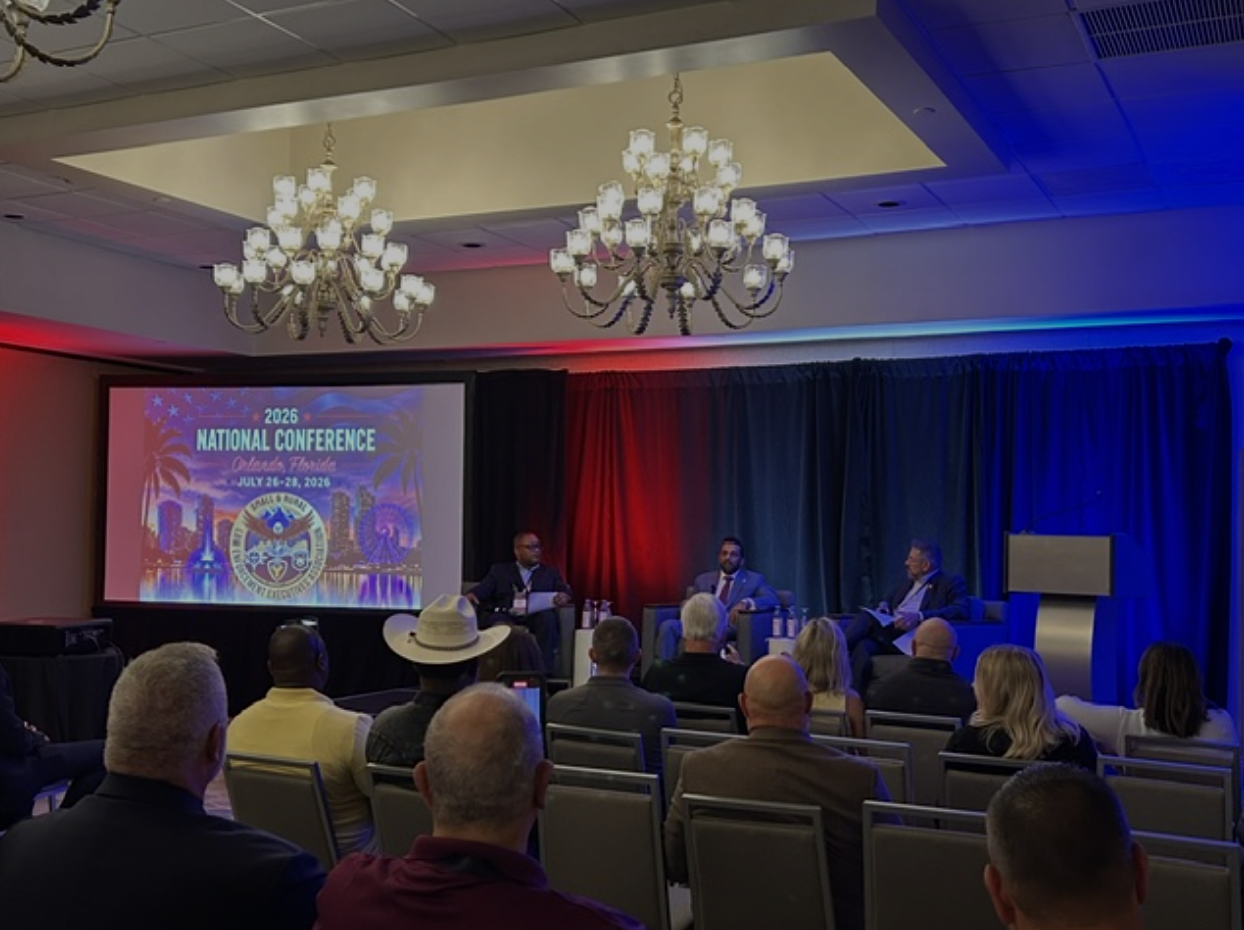
CLIPr Proudly Sponsors SRLEEA Conference in Orlando
At SRLEEA, FBI Director Patel called AI essential for agencies of every size. See how CLIPr is helping small and rural departments do more with less.


This guide walks command staff and records supervisors through automating police report drafting from recordings your agency already captures: BWC audio, dashcam, and interview-room feeds. The outcome is an AI-assisted draft pipeline where officers review, attest, and move finished reports into the existing RMS.
It is written for agencies that need a low-friction start, plus larger agencies that want an "AI: Your Way" rollout fitting local architecture and policy. Expect 2 to 4 weeks to stand up a pilot and 60 to 90 days to evaluate it.
The DOJ COPS Office has covered agencies using AI to write police reports, with the officer still in the loop. For writing fundamentals rather than automation, start with how to write a police report.
Before Step 1, gather:
Report automation projects are easier to defend when they start with a readiness check instead of a vendor demo. The RAFB is a 2-part scoring tool that turns "let's try AI" into a plan a chief, legal counsel, and records leadership can evaluate.
Score your agency 0 to 2 on each criterion before talking to any vendor.
| Criterion (score 0-2) | Score 0 if | Score 2 if |
|---|---|---|
| CJIS policy alignment | Nobody has mapped the tool against the CJIS Security Policy | IT/security has reviewed vendor posture against current CJIS requirements |
| Auditability | No plan for logging when AI was used | AI usage is logged per report and retrievable |
| RMS handoff fit | Drafts would require re-keying or a new RMS | Drafts move into the existing RMS without forcing a new filing workflow |
| Ingestion readiness | Recordings live on scattered devices with no export path | BWC, dashcam, and interview audio export reliably for drag-and-drop, with docking available later |
| Disclosure and attestation policy | No written policy on AI-assisted reports | Disclosure language and attestation steps drafted and reviewed |
| QA staffing and supervisor review | No one owns draft quality | A supervisor owns weekly QA with a defined exception process |
| Training and change plan | Officers would learn by trial and error | A training lead has a session plan ready |
| Procurement and funding path | No budget line or pilot authority | Pilot terms, funding source, or grant path identified |
How to read your score
Track these KPIs weekly once your pilot starts (Step 6). Targets are working bands, not pass/fail lines.
| Pilot KPI | How to measure | Target band |
|---|---|---|
| Edit rate per report | % of draft text changed before attesting | Trending down by week 3; 20-40% is a reasonable early band |
| Time saved per report | Baseline minutes minus pilot minutes | Positive and rising by week 2 |
| Exception rate | % of drafts discarded and written manually | 10% or less |
| Supervisor rework | % of reports kicked back after review | 15% or less |
| Audio failure rate | % of recordings too poor to draft from | 5% or less |
| Disclosure compliance | % of final reports carrying the disclosure | 98% or higher |
| Audit log present | % of AI-assisted reports with a retrievable log | 100% |
| Officer satisfaction | 1-5 weekly survey | 4 or higher |
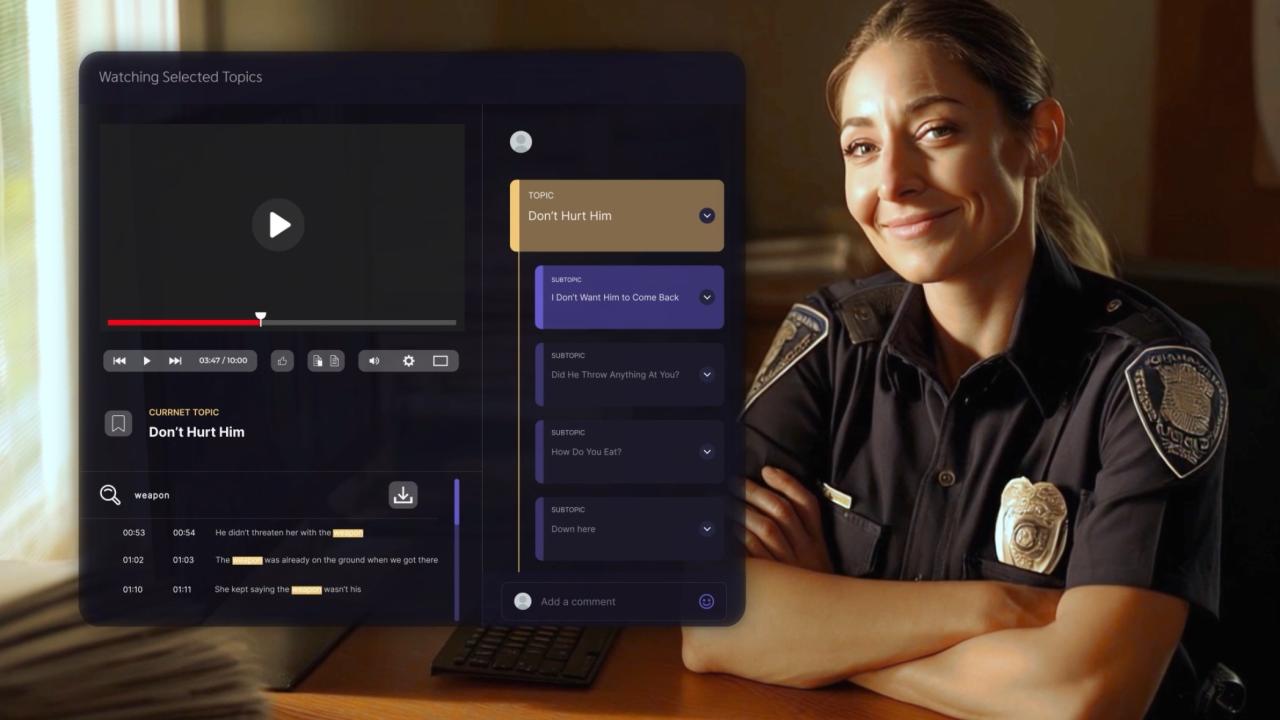
A platform built around AI-assisted police reports from BWC audio, like CLIPr, is one way to test the Blueprint on real footage. Its free 30 to 90 day pilot for up to 50 officers maps cleanly onto the scorecard timeline.
You cannot evaluate automation without knowing what "before" costs. Run a 1 to 2 week time study.
Ask 3 to 5 officers to log their next 5 reports each: report type, recording length, minutes drafting, minutes in supervisor revision loops, and where the report was filed. Logging takes 10 to 15 minutes per report.
Keep it in a shared sheet, one row per report.
You now have 2 facts that matter more than demo claims: your real baseline cycle time and your real failure modes. Both feed the Pilot Scorecard.
There are 3 realistic paths, branching by where your recordings live:
Scope discipline beats tool choice. Start with 1 or 2 report types.
Branch for investigations: if interview write-ups hurt more than patrol reports, start from detective interview reports and see how they fit alongside detective case management software.
Do this before connecting a single camera. Three pieces should be settled early:
"This report was prepared with the assistance of AI-assisted draft narration from recorded audio. The reporting officer reviewed and edited the draft and attests to the accuracy of the contents."
Ground the security side in the FBI CJIS Security Policy, and mind the phrasing: CJIS is a policy your deployment aligns with, not a certification any vendor holds. Walk through controls, documentation, ownership, retention, and deletion terms with your chosen vendor during procurement so everyone shares the same understanding.
The IACP AI Resource Hub collects model policies worth borrowing, and the primer on AI in law enforcement helps leadership brief council and community.
Now wire up ingestion, and do it in phases. Start by dragging and dropping exports from your existing evidence platform, no docking or new hardware required to begin.
Once the workflow is working for the pilot cohort, add dock-to-auto-upload so footage flows in at end of shift.
CLIPr supports both, and departments can specify which video types auto-process, so traffic stops do not flood the queue while you pilot incident reports.
Set 3 rules before the first file moves:
Poor audio and cross-talk. Teach a 5-second mic check at the start of contacts, and test your worst-case audio (wind, radio chatter, overlapping voices) during setup, not during the pilot.
A draft is useful when it matches your agency's format. Lock down:
Pull strong reports from your own records and compare them against police report writing examples to define what "good" looks like for the template.
Pick 5 to 20 officers across shifts, scaled to agency size, including at least 1 skeptic. Skeptics find the failure modes volunteers politely ignore.
Run 30 to 90 days against the Pilot Scorecard. Edit rate is the headline KPI.
A falling edit rate usually means templates, dictionaries, training, and officer narration are getting better together. A flat, high one means template or audio problems, not officer problems.
Hold a 30-minute weekly review: scorecard numbers, 2 or 3 sample drafts read aloud, and an accept/exception decision for anything that went sideways. Discarded drafts go in the exception log with a reason code.
If your department recently upgraded MDTs, CLIPr's MDT pilot program is a free 14-day technical feasibility pilot with no dock required: drag and drop files from your existing BWC evidence platform.
If that confirms the workflow is usable for your agency, roll the results into the broader 60 to 90 day evaluation.
Training is 1 session plus reinforcement, not a binder. Cover 3 skills:
Close on attestation: the signature means "I verified this," and a draft is never a report until an officer makes it one.
Rubber-stamping. If week-1 edit rates look suspiciously low, supervisors should spot-check drafts against recordings before celebrating.
The fastest path is the one your records unit already trusts:
That phased path matters. If a vendor requires full RMS integration before a pilot, ask whether the workflow can be tested without turning the pilot into a larger IT project first.
Either way, the RMS remains the system of record and records review stays intact. The source recording stays in your evidence platform as the original, and agencies should confirm with counsel how their chain-of-custody and evidence rules treat AI-assisted drafts.
Formatting loss on paste. Test pasted narratives in your RMS fields during setup, including line breaks and special characters.
This step protects the whole program. Critics have raised real questions: an ACLU report on automated police reports flags transparency and accountability risks.
Ars Technica reported on a controversy over whether records of AI involvement were retained, along with the vendor's response on auditability.
The answer is operational:
Agencies that can answer "when was AI used and who verified the output" in 1 query are better prepared for supervisor, auditor, court, or public-records review.
After the pilot stabilizes, shift from testing to operating.
Build an error taxonomy from your exception log:
Tag every exception and review monthly. The taxonomy tells you whether to fix mics, templates, or training.
Expand deliberately: add the next report type after the current one holds its scorecard targets for 4 straight weeks. Arrest, crash, and DV reports each have their own required elements, so revisit Step 5 for each addition.
Expand the ingestion path the same way. Once drag-and-drop drafting is holding its targets, add dock-to-auto-upload so footage flows in after a shift.
Then move the officer-certified report into your RMS through a direct push where RMS API access and vendor terms allow it. Take each step after the one before it is stable.
Schedule a semiannual audit: re-run the Readiness Scorecard, sample 10 random AI-assisted reports, and verify disclosure and audit logs on each.
Run these checks at the end of your pilot:
Want a pilot that starts from your BWC audio with review, attestation, and audit logging built into the workflow? That is the conversation to have with CLIPr.
AI can write the first draft, not the report. Tools generate a draft narrative from recorded audio; the officer reviews, edits, fills in facts only they know, and attests to accuracy.
The COPS Office and vendors describe officer review as a required safeguard.
Add a standard disclosure line stating that a draft was generated from recorded audio and that the reporting officer reviewed, edited, and attests to the contents. Adapt the wording with legal counsel and write it into policy before the pilot starts.
Start with four numbers: edit rate trending down by week 3, time saved versus baseline, exception rate, and audit log presence (100%). Add disclosure compliance and officer satisfaction for the full Pilot Scorecard.
No. Automation changes how the narrative gets drafted, not what your state program requires. Templates must preserve the required data elements per the FBI's NIBRS resources, and your submission process stays as it is.
A defensible rollout follows a simple order: baseline first, policy before pilots, officers reviewing and attesting, and an audit trail that supervisors can retrieve.
Your RMS stays put, your evidence workflow stays put, and the intended change is a shorter drafting cycle.
The RAFB scorecards give you procurement-ready structure for your chief, counsel, and council.
The next move is running them against real footage: CLIPr's free 30 to 90 day pilot for up to 50 officers starts from the bodycam audio your agency already records, with review, attestation, and deployment-specific data terms reviewed during procurement.
For the bigger picture on where documentation automation fits, Technology and Policing is the natural next read.
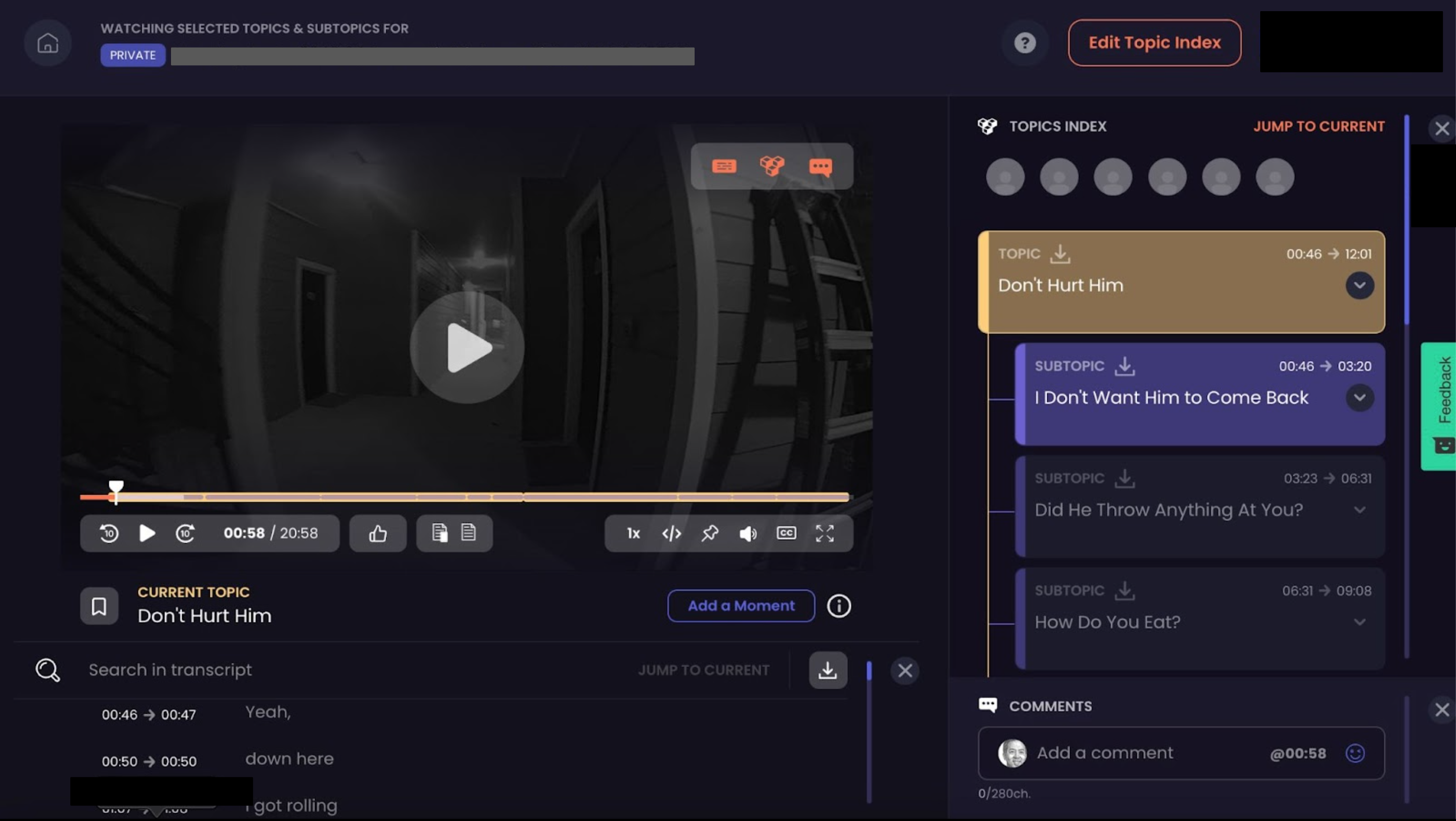
CLIPr turns Body Worn Camera and DashCam audio into AI-assisted police report drafts that officers review, edit, and attest before anything enters the RMS.
CLIPr is designed around CJIS Security Policy alignment. Deployment-specific controls, SOC 2 documentation, data ownership, retention, and deletion terms are set during procurement.
Run CLIPr with your own bodycam footage. Free 30 to 90 day pilot for up to 50 officers, no credit card required, subject to approval.